Tarangire National Park sits 121 km southwest of Arusha in northern Tanzania, a 2,850 km² savanna reserve famous for dry-season elephant herds up to 300 strong, 3,000-year-old baobabs and a wildebeest migration most safari travelers have never heard of.
Tarangire National Park sits 121 km southwest of Arusha, in Tanzania's Manyara Region, and you can reach the main gate in about two hours on tarmac. The park covers 2,850 km² — Tanzania's sixth-largest — of granitic ridges, Acacia and Combretum woodland and seasonally flooded grassland, all centered on the Tarangire River. TANAPA, the authority that manages it, calls the place "the elephant paradise," and the label holds up.
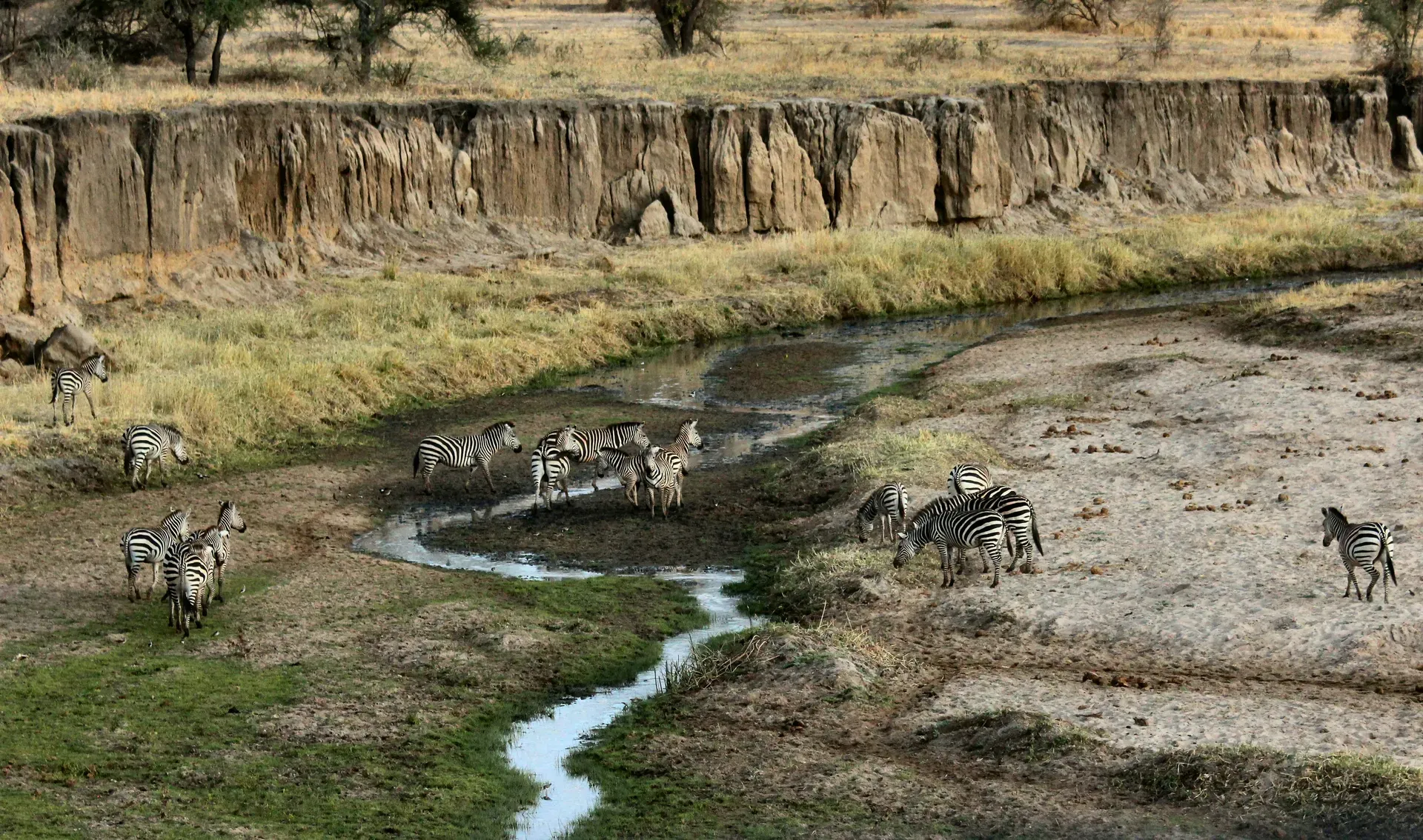
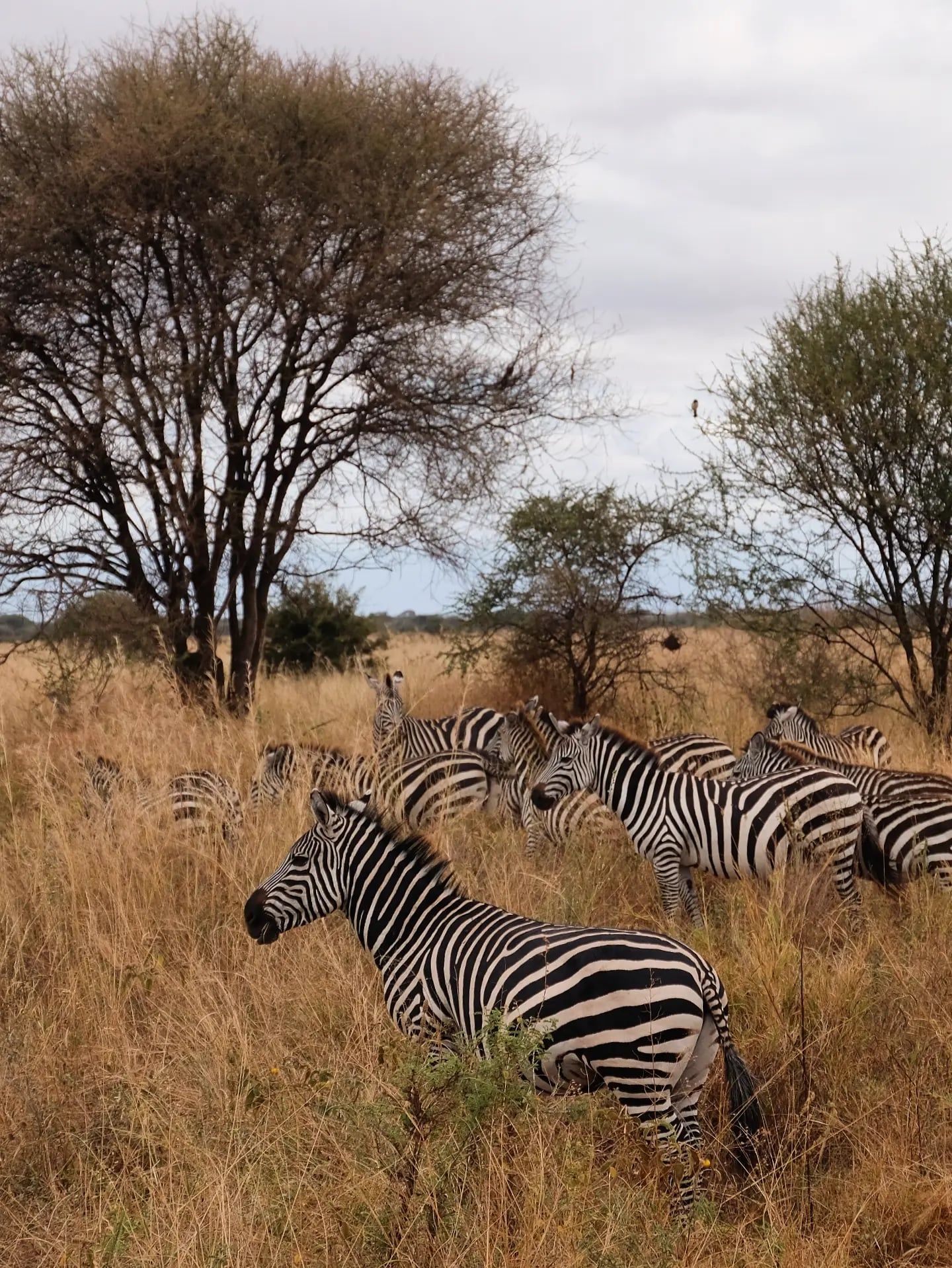
From June to October the river becomes the only reliable water for kilometers, and it pulls wildlife in from a huge surrounding area. Wildebeest and zebra arrive on a long-distance migration that's far less famous than the Serengeti's but comparable in concentration. Buffalo herds follow. So do elephants — breeding herds reported up to 300 strong, alongside bulls that dig waterholes in the river sand with their tusks. Lions, leopards, cheetahs and African wild dogs work the margins. Birders log 550+ species here, including three you'll struggle to find elsewhere: the yellow-collared lovebird, ashy starling and rufous-tailed weaver.
Nearly everyone sees this from a safari vehicle with a pop-up roof, on game drives along the river circuit and out to Silale Swamp. One full day covers the highlights; two or three lets you reach the quieter southern ridges. Adult entry costs US$50 plus VAT in peak season (about US$59 at the gate), and a foreign-registered vehicle adds US$40–150 per day on top. Most itineraries pair Tarangire with Lake Manyara 70 km away, Ngorongoro 150 km away and the Serengeti 225 km beyond that.
Before any boundary was drawn, Maasai and Barabaig pastoralists grazed cattle across this savanna, moving with the same rains that move the wildlife today. The land was first gazetted as a forest reserve — a low rung of protection — before being upgraded to a national park in 1970, when management passed to the Tanzania National Parks Authority. The park took its name from the river that never dries: Tarangire, the region's lifeline, which every animal in the ecosystem depends on by the end of the long dry season.
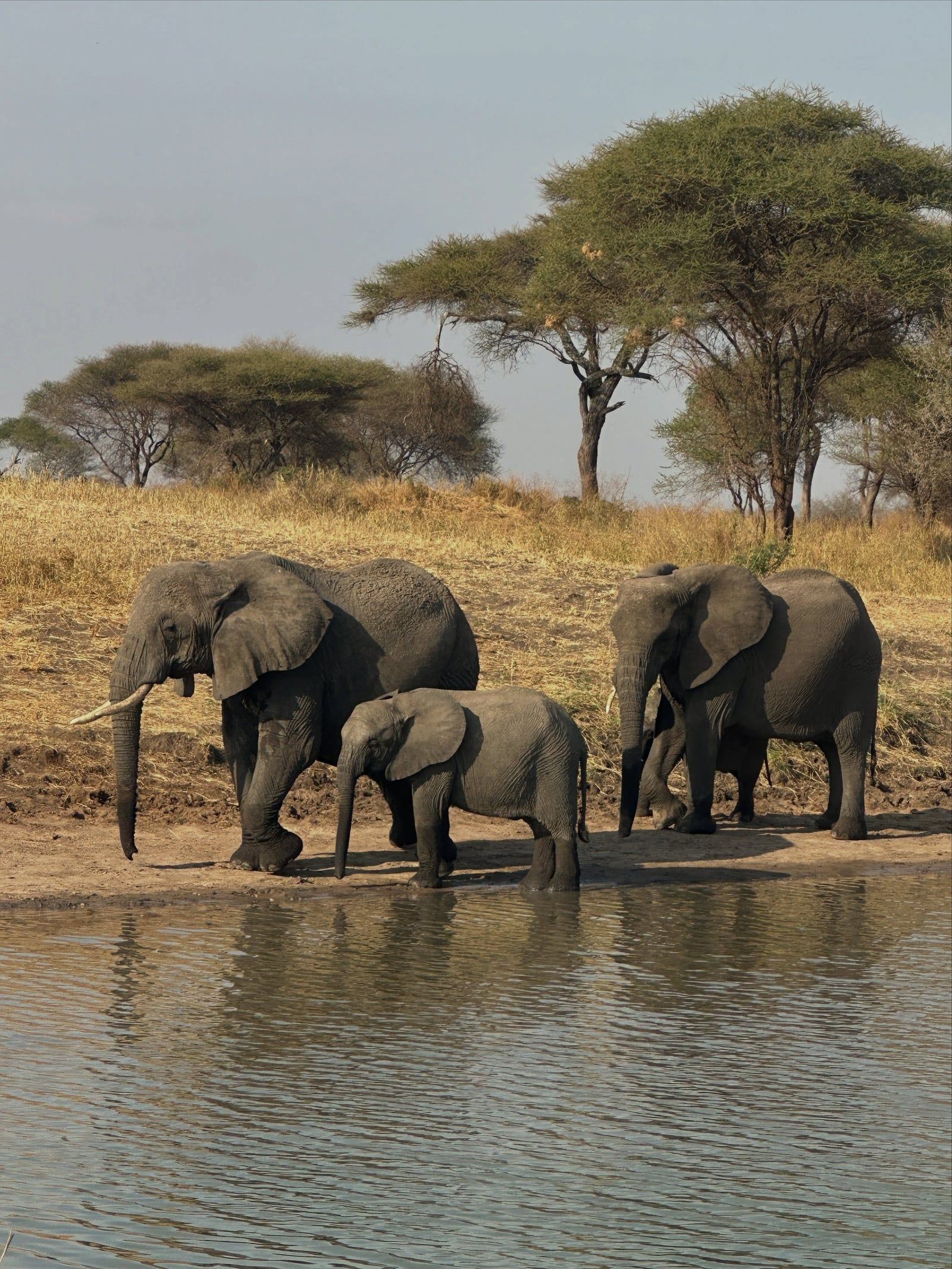
The elephant story defines the park's recent history. A 2000 aerial census counted 2,385 elephants inside the boundary, a herd still recovering from the poaching of earlier decades. A 2010 study in the journal Oryx then showed the population growing rapidly — a documented recovery among Tanzania's elephant strongholds. Since 2005 the park has also been a designated Lion Conservation Unit, and two long-running research programs, the Tarangire Elephant Project and the Tarangire Lion Project, work in the ecosystem year-round.
Visitor numbers reached 161,792 in 2012, nearly all arriving on northern-circuit itineraries out of Arusha. In 2018 the park made international news when its elephants produced the oldest known mother of elephant twins on record, both calves healthy. Conservation attention has since widened past the fence: elephant corridors linking the park to Lake Burunge and surrounding dispersal areas are now partly managed through the community-run Burunge Wildlife Management Area on the northern boundary. Keeping those corridors open is the ecosystem's biggest ongoing task, since the migration that makes Tarangire famous spends most of the year outside the park.
Tarangire is a park built around water. The river that gives it a name runs north through the middle of the reserve at roughly 985 m elevation, fed by seasonal sand rivers, and empties into Lake Burunge beyond the northern boundary. Along the way it links three swamps — Silale, Gurusi and Larmakau — and Silale is where the dry-season herds bunch up thickest, its fringes lined with buffalo, elephant and the predators that track them.
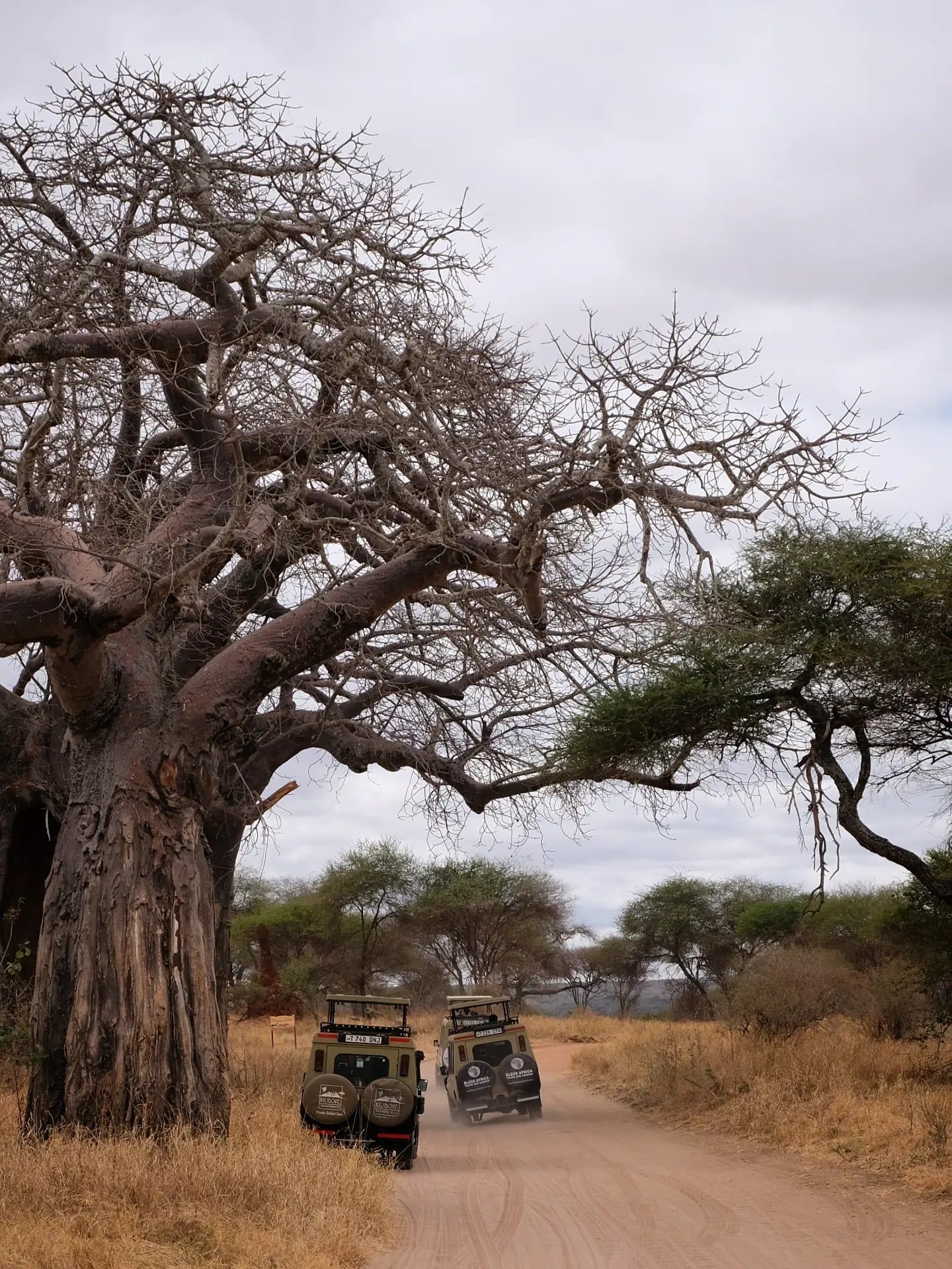
Above the valley floors the terrain is a mix of granitic ridges, woodland and seasonally flooded grassland. The signature trees are baobabs: some live up to 3,000 years, with trunks exceeding 100 ft in circumference. Elephants strip their fibrous bark — look for the gouged trunks along any river-circuit drive — and at golden hour the giants silhouetted against dry grass are the park's defining photograph. Abandoned termite mounds dot the plains, and dwarf mongooses and pangolins shelter inside them.
Rain falls in two peaks, short rains October–December and long rains March–May, with dry stretches June–October and January–February between. January and February afternoons hit 38°C; July dawns sit around 15°C, cold enough that you'll want a fleece for the first drive of the day. Mid-March to May turns tracks to mud and pushes much of the wildlife out to calving grounds beyond the boundary. Those are the quietest months, and the cheapest — entry drops to US$45 plus VAT from 15 March to 15 May.
The land inside the boundary wasn't empty before 1970. Maasai and Barabaig pastoralists grazed cattle across this savanna, their seasonal movements mirroring the wildlife's — everyone followed the rains and the river. Gazettement ended grazing use inside the park, and the relationship between local communities and conservation in the ecosystem has been worked out ever since.
The most concrete result is the Burunge Wildlife Management Area, community-run conservancy land on the shores of Lake Burunge along the park's northern edge. Elephant corridors between the park and the lake still function there, and villages earn directly from lakeshore camps plus walking and night-drive experiences on their own land. For travelers, it's also a second chance at activities the park itself limits or prices higher.
Culturally, the park sits in Maasai country. Mto wa Mbu, the market town about 65–70 km north where nearly every northern-circuit vehicle passes, mixes more than 100 Tanzanian ethnic groups; its cultural tours, banana beer and bike rides toward the lake shore make it the standard leg-stretch between parks. Inside Tarangire, the river that gave the park its name was the region's lifeline long before anyone drew a boundary around it — and the herders who once watered cattle there are part of the reason the ecosystem still works the way it does.
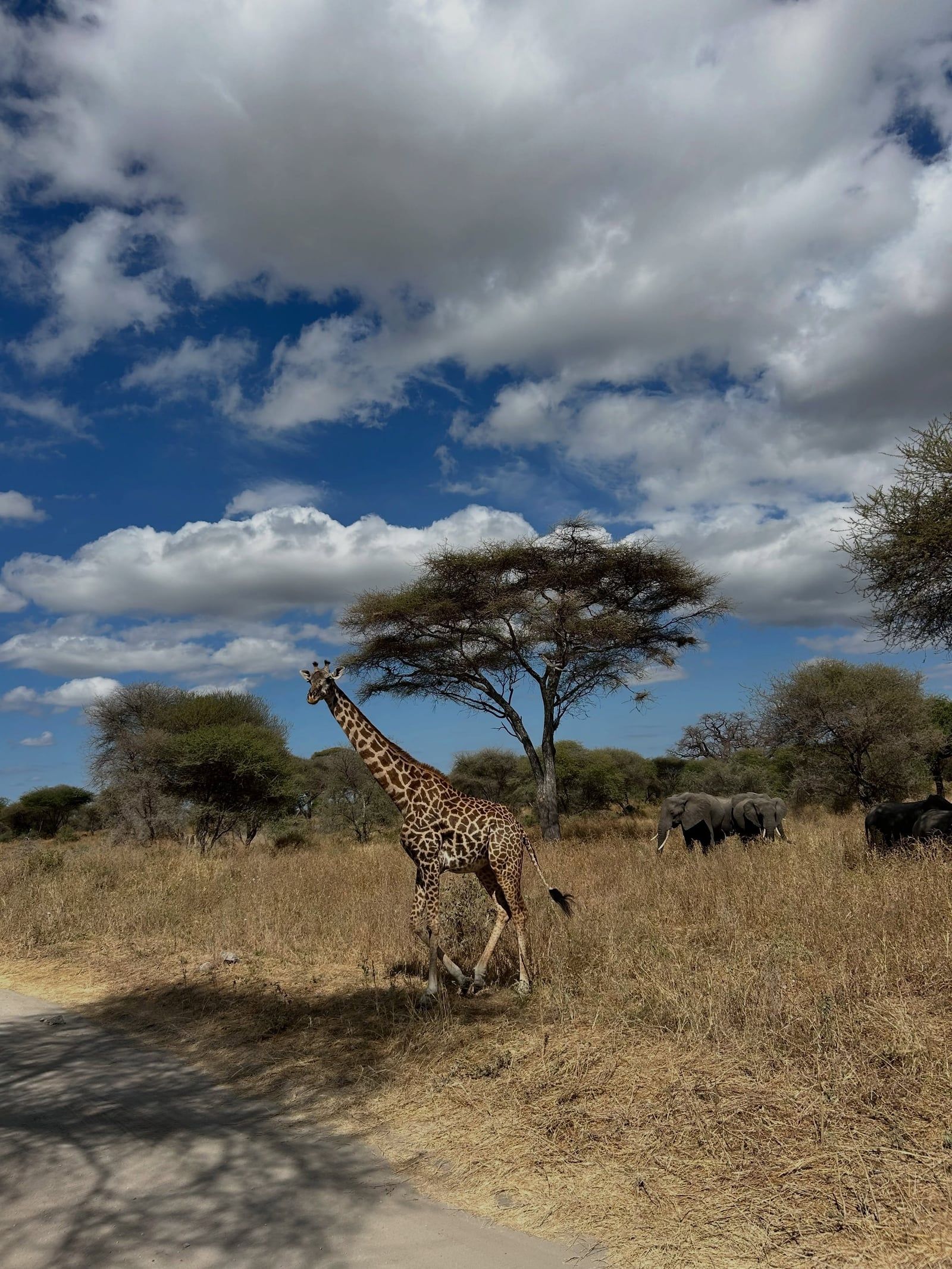
In 2018, Tarangire's elephants produced the oldest known elephant mother of twins on record. Both calves were born healthy, and the birth made international headlines.
A rare leucistic — white — giraffe was photographed in the park in 2015. Leucism is a genetic condition causing partial loss of pigmentation, distinct from albinism.
Abandoned termite mounds across the plains shelter dwarf mongooses and pangolins. Termite architecture outlasts its builders and gets recycled by half the park's small wildlife.
Some of Tarangire's baobabs are up to 3,000 years old with trunks over 100 ft in circumference. Elephants strip their fibrous bark, and the trees survive it.
Tarangire is one of the few TANAPA parks offering night game drives (US$50 per adult, booked with park HQ). Spotlit leopards, genets, civets and hunting lions are regular finds.
The yellow-collared lovebird, ashy starling and rufous-tailed weaver are all but confined to this corner of Tanzania. Birders have 550+ species to work through.
Each June–October, thousands of wildebeest and zebra funnel into the park from surrounding dispersal areas — one of East Africa's great migrations, and one almost nobody has heard of.
Tarangire is known for dense dry-season elephant concentrations along the Tarangire River, with breeding herds reported up to 300 strong between June and October. It's also famous for ancient baobab trees, 550+ bird species and a little-known wildebeest and zebra migration into the park each dry season. TANAPA markets it as "the elephant paradise."
The area was first gazetted as a forest reserve, then upgraded to a national park in 1970. It is managed by the Tanzania National Parks Authority (TANAPA) and covers 2,850 km², making it Tanzania's sixth-largest national park. Before protection, Maasai and Barabaig pastoralists grazed the land.
The main gate is 121 km from Arusha city, entirely on tarmac via the Great North Road, taking about two hours by car. From Kilimanjaro International Airport the trip is roughly 160 km and three hours via Arusha. Most visitors arrive on pre-arranged safari vehicles.
Non-East-African adults pay US$50 per day in peak season (16 May–14 March) plus 18% VAT — about US$59 at the gate — or US$45 plus VAT in low season (15 March–15 May). Children 5–15 pay US$15 plus VAT, under-5s are free, and a foreign-registered vehicle adds US$40–150 per day. Payment is strictly electronic; cash is not accepted.
Yes — a full-day game drive covers the river circuit, and the day-trip permit gives you 12 daylight hours. Most guides still recommend one to two nights so you can explore Silale Swamp and the quieter southern ridges. On a typical 5-day northern-circuit trip, travelers spend one to two nights here alongside Ngorongoro and the Serengeti.
June to October, the long dry season. Wildlife concentrates at the river and Silale Swamp, vegetation thins and skies stay clear. August has the highest density but the most vehicles; June and late September–October offer similar game with fewer crowds. Mid-March to May is the worst window — rain, mud and dispersed wildlife — though birding peaks November–May with migratory species.
Tarangire's adult entry is US$50 plus VAT against the Serengeti's US$70 plus VAT under the 2023/24 TANAPA tariff. It offers comparable dry-season wildlife density — large elephant herds and its own migration — with far fewer vehicles. The trade-off: it lacks the Serengeti's scale and year-round spectacle.
Yes. Scheduled light aircraft from Coastal Aviation, Auric Air, Air Excel and Flightlink land at Kuro Airstrip inside the park, roughly 30–40 minutes from Arusha and also linking Zanzibar, Manyara and the Serengeti. Expect US$150–300 one-way. Flying is most worthwhile in the green season, when roads slow down.
Yes to both. The park is a year-round malaria zone, so prophylaxis, DEET repellent, long sleeves at dusk and bed nets are advised. Tsetse flies are a daytime nuisance with painful bites and are strongly attracted to black and dark blue — wear neutral khaki tones, and know that repellent only partly works against them.
Technically yes: shared minibuses run from Arusha toward Makuyuni/Babati for about TSh 2,000–8,000, and you can take a taxi or motorbike from the junction to the gate. In practice you still need a safari vehicle to see wildlife inside, so most independent travelers rent a 4x4 or join a tour. Gates are cashless and ID is required.
Browse verified tours with free cancellation and instant confirmation.
Find Tours