Tarangire National Park is one of Africa's best places to see elephants in the wild, and these guided safari tours put you in the heart of their habitat. Choose from budget-friendly group trips or private day tours with a dedicated guide and vehicle.
 Free Cancellation
Full-day Tarangire safari from Arusha in a 4x4 jeep with an English-speaking guide, lunch and water included.
 Free Cancellation
Shared-group day safari from Arusha: about 9.5 hours with 6 hours of game drives, breakfast and lunch included.
 Free Cancellation
Private 12-hour day trip from Moshi to Tarangire with hotel pickup, lunch, and about 12 hours in the park.
 Free Cancellation
Full-day game drives in Tarangire from Arusha with picnic lunch, hotel pickup, and safari vehicle.
 Free Cancellation
8-hour Tarangire day trip from Arusha with a certified guide, park fees, transport, and hot lunch included.
 Free Cancellation
Full-day (11h) private Tarangire safari from Arusha with picnic lunch, park fees, and hotel pickup included.
 Free Cancellation
Full-day private 4x4 trip from Arusha to Tarangire with lunch, water, and all park fees included.
 Free Cancellation
Full-day private 4x4 safari to Tarangire from Arusha, with lunch, binoculars, WiFi, and English or French guiding.
 Free Cancellation
Hotel-to-hotel 12-hour day trip from Arusha to Tarangire with lunch and park fees included.
 Free Cancellation
3-day joined group safari covering Ngorongoro Crater, Lake Manyara and Tarangire, with camping gear and meals included.
Read what travelers share about their experience visiting Tarangire National Park — from practical tips to personal highlights.
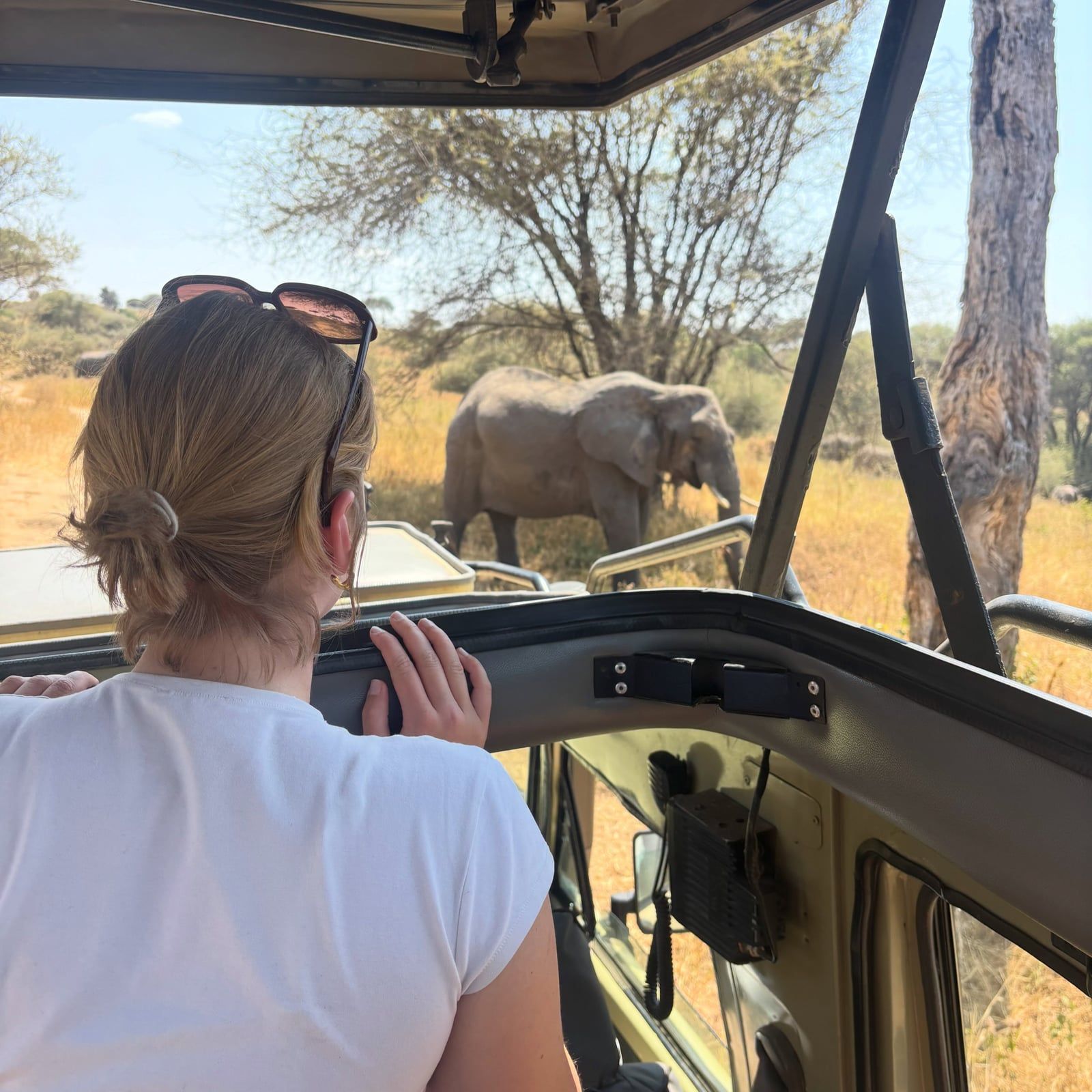
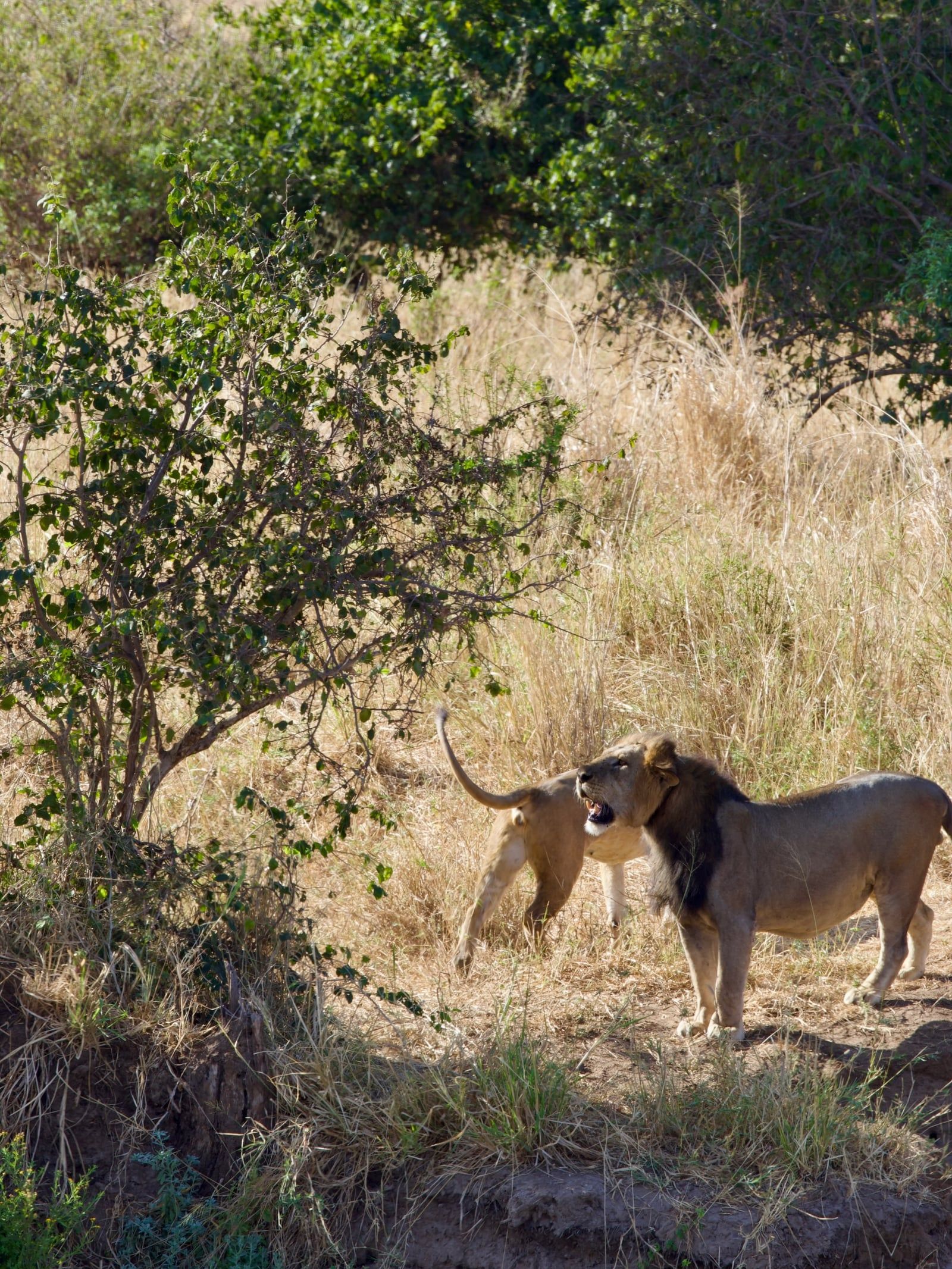
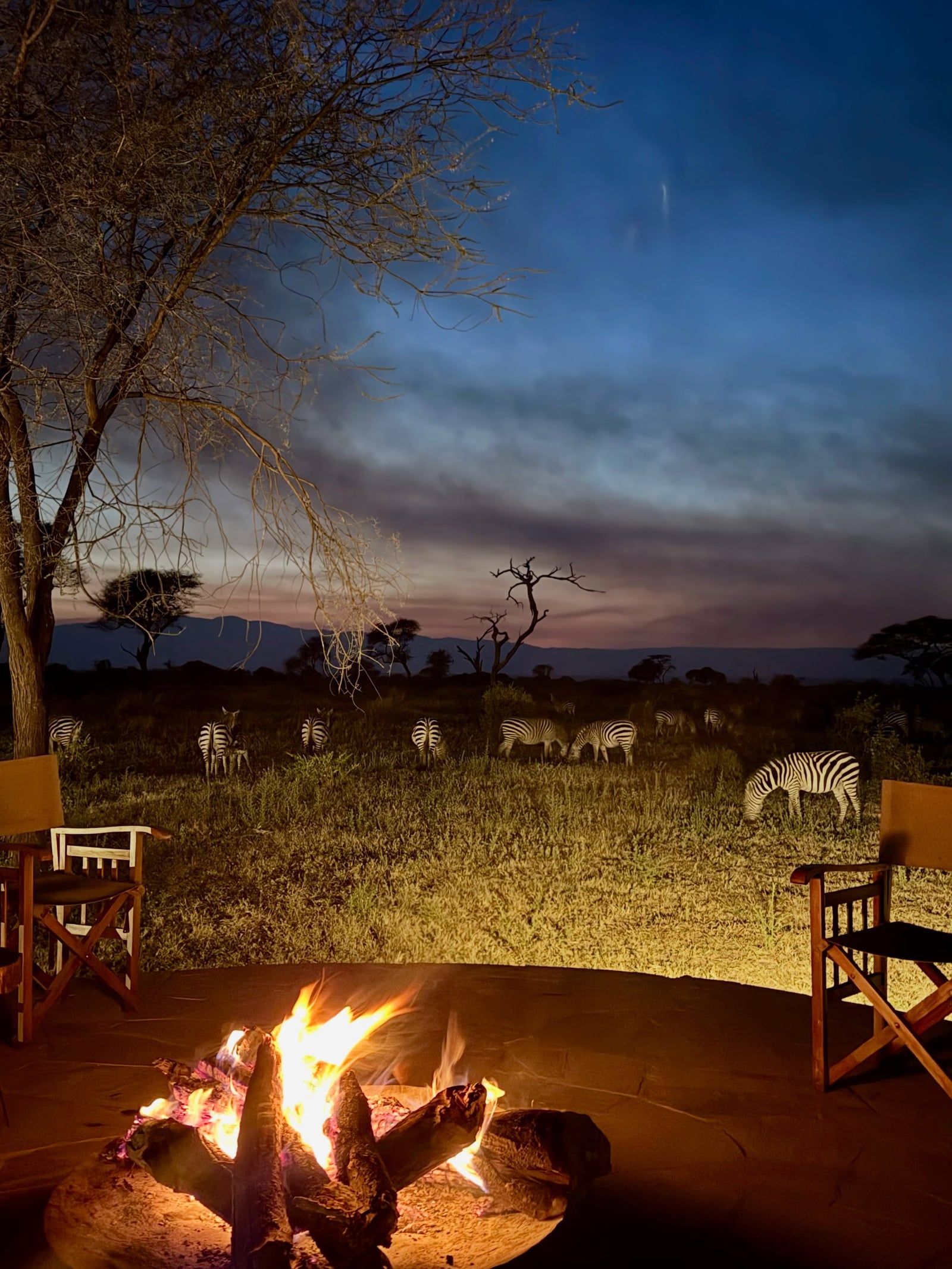
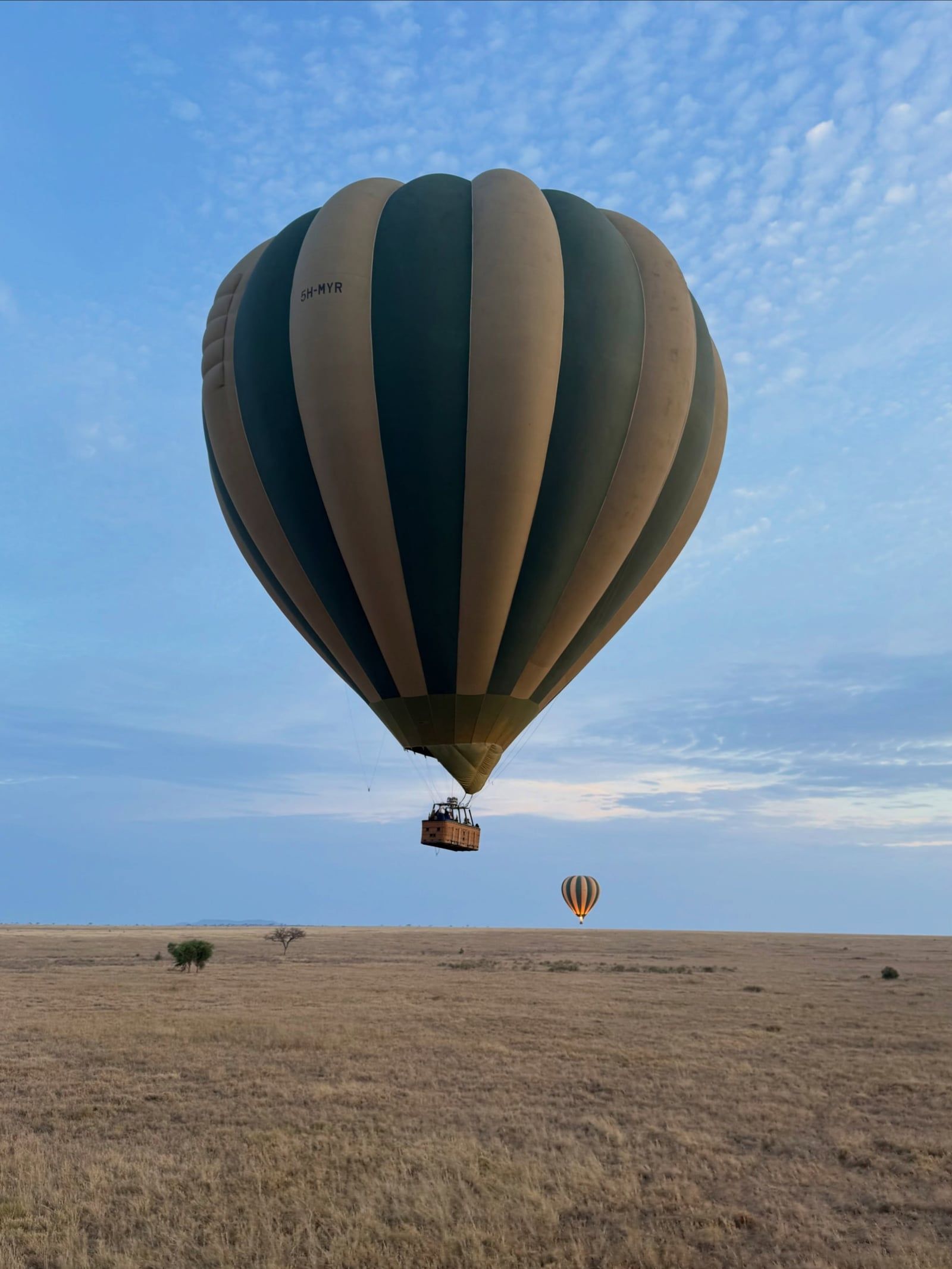
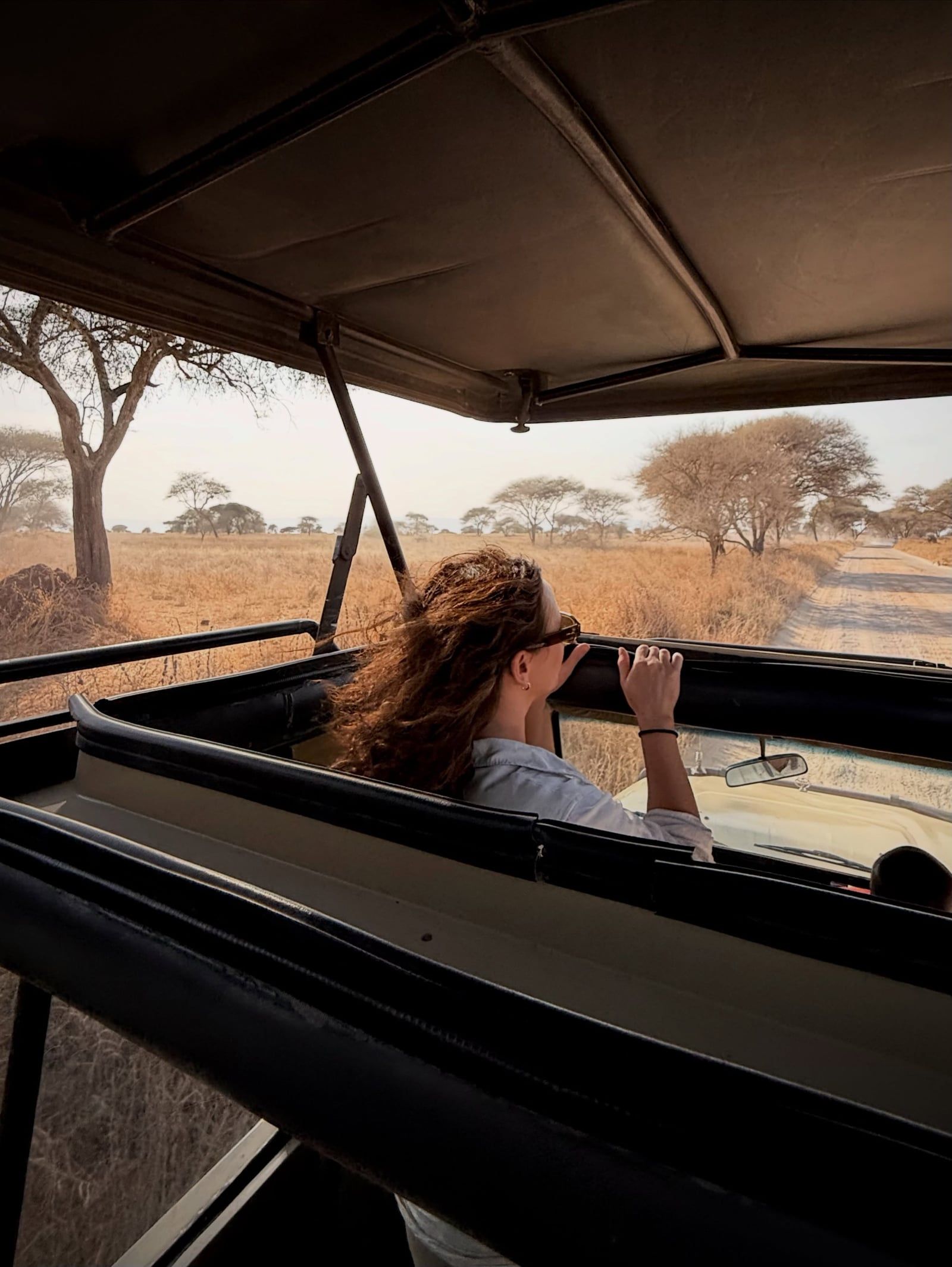
A Tarangire tour is a game-drive day built around one thing: elephants in numbers you won't see elsewhere in the north. You ride a 4x4 with a pop-up roof along the Tarangire River and Silale Swamp, where herds reported up to 300 strong gather each dry season, with baobabs overhead and lions, leopards and wild dogs as the supporting cast.
From June to October the Tarangire River is the only reliable water for miles, so breeding herds line the banks all day. Watch big bulls dig waterholes in the river sand with their feet and trunks while calves wobble between adults. A 2000 census counted 2,385 elephants inside the park, and numbers have grown since.
Baobabs here can live up to 3,000 years with trunks over 100 ft around. Elephants strip their fibrous bark, leaving gouged scars you can read from the track. Against golden evening light along the river road, they're the park's signature photo.
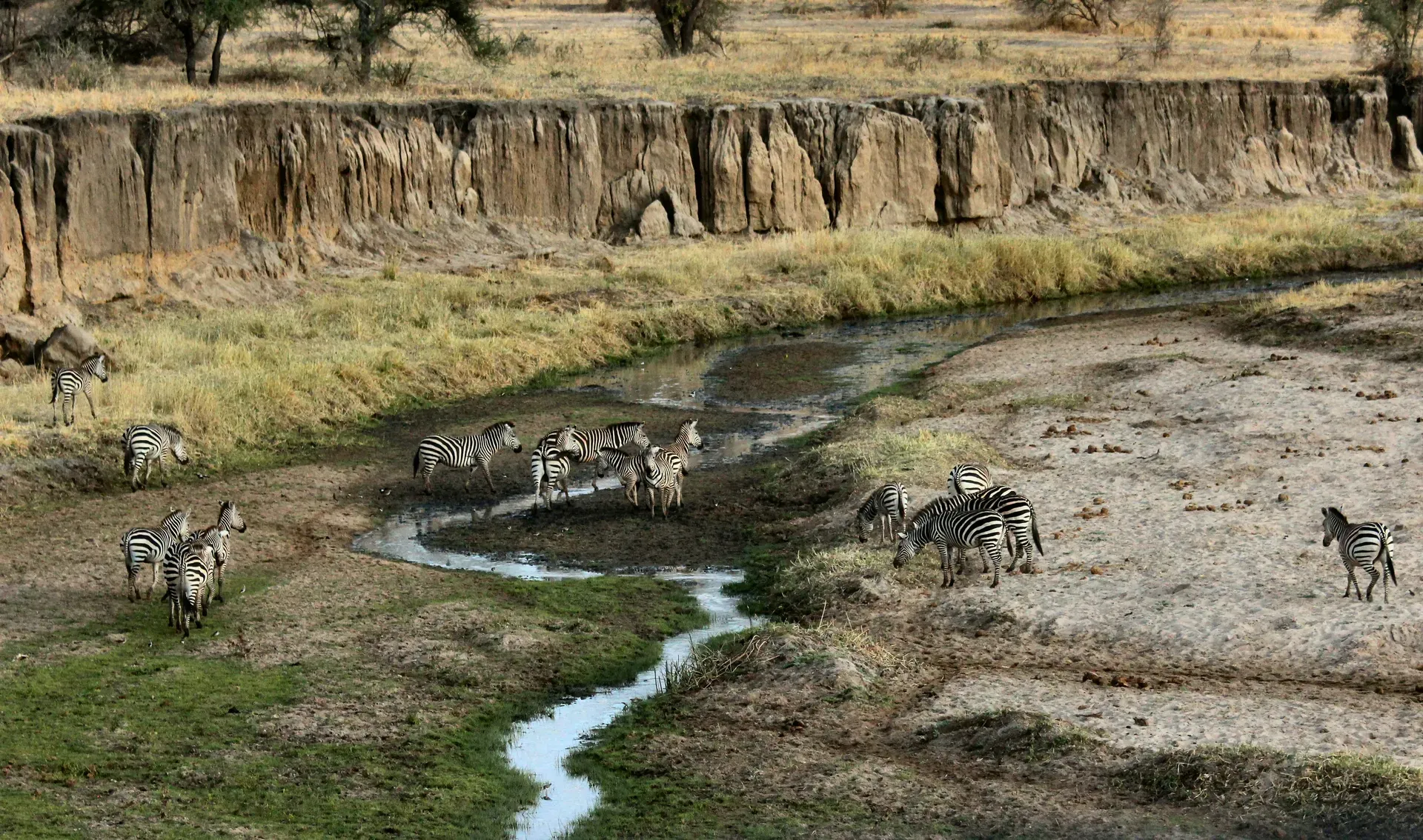
Between July and October, wildebeest and zebra funnel into the park from surrounding dispersal areas and crowd Silale Swamp alongside buffalo and elephant herds. Predators follow. It's one of East Africa's least-known migrations, and August is its peak.
Tarangire is one of the few TANAPA parks that runs night drives — US$50 per adult, booked with park HQ, usually from about 8 pm. With a spotlight and ranger you'll look for genets, civets, bushbabies and leopards on the move.
The Acacia woodland and swamp edges produce flocks of yellow-collared lovebirds, ashy starlings and rufous-tailed weavers — species you'll struggle to find anywhere else. Secretary birds and crowned cranes work the grasslands. November to May adds migrants.
Short walks of 1–4 hours cost US$20 with an armed ranger. On foot you read tracks, poke around abandoned termite mounds (dwarf mongoose and pangolins shelter there) and finally grasp how big a baobab actually is.
Every tour on this page is a guided game drive — there's no self-guided or audio option, and walking safaris and night drives must be arranged with park HQ directly. Here's what to sort out before you pay.
Day trips from Arusha run US$200–400 and last 8–12 hours door to door, with roughly 6–8 hours inside the park. You choose between shared group departures (cheaper, you ride with strangers) and private vehicles (your pace, your stops). Moshi-based travelers can book a private 12-hour trip with about 4 hours of driving each way.
Some tours include park entry in the price; others list "all fees and taxes" as an exclusion, meaning you pay the gate yourself. Adult entry is US$50 plus 18% VAT in peak season — about US$59 — so a US$200 tour with fees excluded is really a US$259+ day. Ask for the inclusions in writing before booking.
Dry-season dates (June–October, especially August) are the busiest, and the better-reviewed operators fill up first — book those months several weeks ahead. Green-season trips are easier to arrange last minute, but expect dispersed wildlife and muddy tracks.
TANAPA accepts no cash at all — credit card, pre-loaded TANAPA Smart Card or the TanapaGo app only. Bring your passport; ID is mandatory at the gate. Fees are non-refundable, so a rained-off afternoon is money gone.
Night drives, walking safaris, fly camping and balloon flights all require prior booking with park headquarters ([email protected], +255 739 222 685), plus a US$20-per-group ranger fee. Day-tour operators rarely arrange these — book them yourself or pick a lodge package that includes them.
Game viewing is vehicle-based, and several tours here list wheelchair-accessible transport. But there are no adapted vehicles for hire at the gate, and lodges inside the park have few step-free rooms — arrange any accessible accommodation well ahead. Walking safaris require children to be 12+.
All ten tours listed here allow free cancellation up to 24 hours before departure for a full refund. Inside that 24-hour window you get nothing back, so decide your date before the final day.
Three-day group safaris covering Tarangire, Ngorongoro and Lake Manyara start around US$738 with camping gear and meals included. Lake Manyara's gate is 70 km away and Ngorongoro's rim about 150 km, so multi-park circuits add little driving — most itineraries overnight at Karatu or Mto wa Mbu.
Swipe to see more
| Shared Group Day Safari | Private Full-Day Trip | Private Trip from Moshi | 3-Day Three-Park Group Safari | |
|---|---|---|---|---|
| Duration | 8–9.5 hours door to door from Arusha (about 6 hours in the park) | 10–12 hours, with pickup at your Arusha hotel or the airport | 12 hours, with roughly 4 hours of driving each way to reach the park | 72 hours covering Tarangire, Lake Manyara and Ngorongoro Crater |
| Best for | Budget travelers and first-timers happy to share a vehicle | Families, photographers and anyone who wants to set their own pace | Travelers based in Moshi who can't relocate to Arusha | Travelers with three days who want the full northern circuit without lodge prices |
| Includes | Guide, 4x4 jeep, lunch and water; park fees sometimes extra — check before paying | Private vehicle, driver-guide, lunch, bottled water, and usually all fees and taxes | Private transport, lunch, water, all fees; guides in English, German, French or Spanish | Camping equipment, sleeping bags, all meals, all three park entries, airport transfers |
| Price from | US$200–380 per person | US$250–400 per group | US$400 per group | US$738.47 per person |
Swipe to see more
Gates open daily from 6:00 am to 6:00 pm (a few sources, including Frommer's, say 6:30 am–6:30 pm). No visitor vehicles may drive inside the park after dark — this is enforced, not advisory.
A day-trip permit is valid for 12 daylight hours; a sleep-over permit runs 24 hours. Both allow multiple gate entries within their validity, so you can exit for lunch at a lodge and come back.
Time your exit carefully. Arriving at the gate at 6:05 pm risks more than a stern look — operators get fined, and repeat offenders lose access.
From Arusha it's 121 km entirely on tarmac via the Great North Road through Makuyuni and Minjingu — about 2 hours. Nearly all visitors arrive this way, on a tour vehicle that also handles the foreign-vehicle park fee (US$40–150 per day) and gate paperwork.
From Kilimanjaro International Airport (JRO), count on roughly 160 km and 3 hours via Arusha. Most operators pick up arrivals and drive straight to Tarangire or Karatu on day one.
Lake Manyara's gate is 70 km away, Ngorongoro's rim about 150 km (2 hours), the Serengeti roughly 225 km (6 hours) via Ngorongoro.
June to October is the answer, full stop. The long dry season concentrates everything — elephant herds up to 300 strong, wildebeest and zebra arriving on the Tarangire migration, and the predators that follow them — along the river and Silale Swamp.
August has the highest wildlife density and the most vehicles. June and late September–October deliver similar game with fewer cars. That's when we'd go.
January–February afternoons hit 38°C; July dawns sit near 15°C. Pack for both.
Game viewing is almost entirely vehicle-based, so wheelchair users can see most wildlife without leaving the car — if they book an operator experienced in assisted transfers. There are no adapted vehicles for hire at the gate.
Terrain inside is unpaved dirt track, and gates, picnic sites and most lodges have uneven ground with few step-free rooms. Arrange accessible accommodation well in advance. Walking safaris and balloon flights are not wheelchair-accessible.
Older visitors generally find Tarangire very manageable: a standard day means sitting in a vehicle with a pop-up roof, and any walking is optional. The rough edges are the 2-hour drive from Arusha, bumpy tracks, midday heat and cold July dawns. The park is a year-round malaria zone, so seniors should talk to a travel doctor about prophylaxis.
Children under 5 enter free, ages 5–15 pay the child rate (US$15+VAT), and night drives accept 5–15-year-olds at US$25. Walking safaris require children to be 12+. Elephants wander through lodge grounds, so supervise kids at all times.
Entry costs US$50 per non-East-African adult per day in peak season (16 May–14 March) plus 18% VAT — about US$59 at the gate. Low season (15 March–15 May) is US$45+VAT (≈US$53.10). Payment is strictly electronic: credit card, TANAPA Smart Card or the TanapaGo app.
Inside the park you'll find picnic sites, public campsites (US$30 per adult per night) and special/seasonal campsites (US$50–60, prior booking required). Lodges and tented camps operate on concessions; staying at one adds a US$40-per-adult hotel concession fee per night.
For bookings and questions contact the park directly at [email protected] or +255 739 222 685.
The speed limit is 50 km/h, animals have right of way, and fines are real: TSh 50,000 for overspeeding, TSh 200,000 if your vehicle causes an accident. Driving after dark is prohibited outside a booked night drive.
Also prohibited: feeding or approaching animals, driving off designated tracks, littering, smoking or unsupervised fires, hooting or revving at animals, and removing plants or rocks. Firearms and pets are banned.
Drones are not allowed in any TANAPA park without permits from both the aviation authority and the park — approval takes months and is rarely granted to tourists; unauthorized flying risks confiscation, fines and expulsion. Commercial filming costs US$250 per person per day.
Dress-wise, there's no code, but skip black and dark blue — tsetse flies home in on those colors and their bites hurt. Neutral khaki works, long sleeves deter mosquitoes, and bring a fleece for 15°C July mornings.
Never walk unescorted between tents or to the mess area after dark. Elephants move through campgrounds at all hours.
It varies by operator. Some tours list all park fees and taxes in the price; others exclude them, meaning you'll pay the gate yourself — US$50 plus 18% VAT (about US$59) per adult per day in peak season. Check the inclusions list before booking, since that difference can add US$60 or more per person to a US$200 tour.
Expect 6–8 hours of game driving inside Tarangire within an 8–12 hour door-to-door day, since the drive from Arusha takes about 2 hours each way. Tours from Moshi run 12 hours total with roughly 4 hours of driving each way, so you get less park time. The day-trip permit itself covers 12 daylight hours.
June to October, when the Tarangire River and Silale Swamp become the only reliable water and breeding herds — reported up to 300 strong — gather along the banks. August has the highest density but the most vehicles; June and late September–October offer similar sightings with fewer cars. Mid-March to May is the worst window, as wildlife disperses outside the park.
Yes — private 12-hour trips from Moshi run around US$400 with guides in English, German, French or Spanish. You'll spend roughly 4 hours driving each way, though, which eats into park time. Some Arusha-based group tours also collect Moshi guests for an added transfer fee.
Rarely. Night drives (US$50 per adult) and walking safaris (US$20–25) require prior booking with park headquarters, plus a US$20-per-group ranger fee, and most day-trip operators don't arrange them. Contact the park directly at [email protected] or +255 739 222 685, or choose a lodge package that includes them.
Several tours on this page offer wheelchair-accessible transport, and since game viewing happens from the vehicle, wheelchair users can see most of the wildlife. What's missing: adapted vehicles at the gate itself and step-free rooms at most lodges. Book with an operator experienced in assisted transfers and arrange accommodation early.
For elephants, yes — Tarangire has one of Tanzania's densest elephant populations and far fewer vehicles than the Serengeti, at US$50+VAT entry versus the Serengeti's US$70+VAT. What it lacks is the Serengeti's scale and year-round migration. Many itineraries spend 1–2 nights here before moving on, which is the right amount.
All the tours listed here offer a full refund if you cancel at least 24 hours before departure. Inside that window, you get nothing back — and park fees paid at the gate are non-refundable regardless. Decide your date at least a day ahead.
Neutral khaki, olive or beige — never black or dark blue, which attract tsetse flies whose bites are painful and which repellent only partly deters. Long sleeves and trousers help at dawn and dusk against mosquitoes. Bring a fleece for 15°C July mornings and sun protection for afternoons that can reach 38°C in January and February.
For June–October departures, book several weeks ahead — August especially, since the best-reviewed operators fill first. Green-season trips (November–May) are usually available closer to the date. Multi-park group safaris with camping also need earlier booking because campsite space is limited.
Browse verified tours with free cancellation and instant confirmation.
Find Tours


This is a full-day Tarangire safari run from Arusha in a 4x4 safari jeep, with an English-speaking guide and shared departure — you join other clients rather than booking the vehicle privately. Lunch and drinking water are included. The base pickup is Arusha. If you're staying in Moshi, you can be picked up there, but you'll pay a transfer fee for the round trip to Arusha, where the safari actually starts. Budget for that before you book from Moshi. Not included: park fees and taxes, plus alcoholic drinks. Those entry fees are paid separately on the day, so bring them in cash. Cancel at least 24 hours before departure for a full refund.
For a full refund, cancel at least 24 hours before the scheduled departure time.
English


This is a join-group trip, so you share the vehicle with other travelers rather than booking it privately. It runs about 9 hours 30 minutes door to door from Arusha, with roughly 6 hours of that spent inside the park on game drives. A professional English-speaking guide drives and spots throughout. Pickup is from hotels in Arusha — be ready 10 minutes before your scheduled time and keep your phone on for coordination. If you're staying outside the main pickup area, the operator sends instructions in advance. Breakfast, lunch, and park entrance fees are all included. Cancel at least 24 hours before departure for a full refund.
For a full refund, cancel at least 24 hours before the scheduled departure time.
English


This is a private, 12-hour day trip out of Moshi, built around a single long game drive: roughly 4 hours of driving gets you to Tarangire, and you'll spend the rest of the day inside the park tracking its large elephant herds among the baobabs. Because the vehicle is yours alone, the pace is yours too — you can linger at a sighting or move on whenever you like. Pickup is at your hotel entrance. Your guide will be wearing Msafiri Tanzania branding, and the safari car carries the same name on its side and back, so finding them is straightforward. Guides work in English, German, French, or Spanish. Included: private transport, bottled water, lunch, and all fees and taxes. Bring your own snacks; alcohol and anything else is on you. Cancel at least 24 hours before departure for a full refund.
For a full refund, cancel at least 24 hours before the scheduled departure time.
German, English, French, Spanish


Game drives run from morning until late afternoon, with the park closing at 6pm — you can stay the whole day if you want. Travel is in a safari-built vehicle with complimentary mineral water on board, and an English-speaking driver-guide leads the trip. The day works like this: morning game viewing, a stop for a picnic lunch at a site inside the park, then afternoon game drives. Baobabs line much of the drive. Pickup and drop-off are included anywhere within Arusha town, whether hotel or private house. Picnic lunch and guide service are covered; gratuities are not. Cancel at least 24 hours before departure for a full refund.
For a full refund, cancel at least 24 hours before the scheduled departure time.
English


Suricata Safaris runs this as a full 8-hour day trip from Arusha, with the drive to the park taking about 2.5 hours each way. A rep meets you at your hotel reception holding a sign with your name, does a quick meet-and-greet and introduction, and from there the day is game driving inside the park. The itinerary is one long stop: Tarangire itself, roughly 480 minutes of it. That's most of the day on game drives with stops for lunch. Included are a certified English-speaking safari guide, transport, park fees, and a hot lunch — so the main extras you'd pay yourself are drinks and tips. Anything else the operator lists simply as "other," so confirm specifics before booking. Cancel at least 24 hours ahead for a full refund.
For a full refund, cancel at least 24 hours before the scheduled departure time.
English


An 11-hour day trip from Arusha: about two hours of driving each way, with the rest spent on game drives inside the park. Pickup covers hotels in the Arusha area, or you can meet the driver at the Arusha Shoppers Center, where he waits at the main entrance with a name sign. Guides speak English. Everything essential is in the price: private transport, park entrance fees, a picnic lunch, bottled water, and a professional safari guide/driver. Alcohol isn't included, and nor are a couple of unspecified extras — ask the operator what "Other" covers before you book. Cancel at least 24 hours before departure for a full refund. If time allows on the return leg, the tour adds a stop at Materuni Waterfalls and a Kilimanjaro viewpoint, but this depends on the day's timing — don't count on it.
For a full refund, cancel at least 24 hours before the scheduled departure time.
English


A 10-hour private day trip that starts with early pickup at your Arusha hotel or the airport, then drives south to Tarangire National Park. You travel in your own vehicle with a driver-guide, so the pace and stops are yours to set. By noon you arrive at a picnic site inside the park for lunch, and the afternoon continues with game viewing before the return to Arusha. All park fees and taxes, lunch, and bottled water are included. Guides are available in English, German, Italian, French, and Spanish. Not covered: anything listed as extras, so check before booking what meals or items beyond the stated inclusions you might need. Cancel at least 24 hours before departure for a full refund. Pickup time is agreed with the operator in advance, so confirm it the day before.
For a full refund, cancel at least 24 hours before the scheduled departure time.
German, English, Italian, French, Spanish


A full-day private tour from Arusha with roughly eight hours inside the park, traveling in your own vehicle with a driver-guide who speaks English or French. The inclusions are unusually complete: all park fees and taxes, lunch, bottled water, on-board WiFi, and a pair of binoculars to share. That last one matters more than you'd think — cheetahs and leopards here take patience to spot, and the difference between a speck in the grass and a confirmed sighting is usually optics. Cancel at least 24 hours ahead for a full refund.
For a full refund, cancel at least 24 hours before the scheduled departure time.
English, French


This is a full-day trip: pickup at your Arusha hotel, a 2-3 hour drive to the gate, a game drive inside the park, and back the same evening — 12 hours door to door. Timing matters here. The dry season is when to go, because animals crowd the Tarangire river then and sightings get about as reliable as in the Ngorongoro Crater. Most game in and around the park follows a localized migration pattern, so where the herds are depends on the season rather than luck. Guides work in English, German, French, or Spanish. Lunch, bottled water, and soft drinks are included, along with all park fees and taxes — nothing extra to pay at the gate. Cancel at least 24 hours ahead for a full refund.
For a full refund, cancel at least 24 hours before the scheduled departure time.
German, English, French, Spanish


Three days, three parks: Ngorongoro Crater, Lake Manyara and Tarangire. You travel as part of a joined group, which keeps costs down and splits them among the travelers. Pickup and drop-off are free from any hotel or airport in the area — just confirm your safari and your accommodation preference in advance. Your driver-guide speaks English, French or Spanish. Game drives are all included, plus a walking safari if the itinerary lists one. Camping equipment and sleeping bags are provided, and meals are covered too — breakfast, lunch and dinner, with drinking water and wine. Bath towels come along as well. If you haven't booked a place to stay, the operator allocates hotels or lodges; accommodation is included for three nights before and after the safari. The parks sit in varied vegetation — woodland and evergreen groundwater forest — so you'll move between different terrain across the three days. Cancel at least 24 hours before departure for a full refund.
For a full refund, cancel at least 24 hours before the scheduled departure time.
English, French, Spanish