These multi-day safaris pair Tarangire National Park's elephant herds with the Serengeti's big-cat country, most adding the Ngorongoro Crater as a third stop. Options range from 4-day group camping trips to 6-day private lodge safaris, all run from Arusha in 4WD vehicles with professional guides.
 Free Cancellation
5-day camping safari: 1 day Tarangire, 2 days Serengeti, 1 day Ngorongoro Crater, plus a Maasai village visit.
 Free Cancellation
4-day group safari: full day in Tarangire, nearly 2 in the Serengeti, 1 in Ngorongoro Crater.

Five-day private 4x4 safari covering Tarangire, Serengeti and Ngorongoro Crater, full board, with English-speaking guide.
 Free Cancellation
5-day budget camping safari from Arusha covering Tarangire, Serengeti, and Ngorongoro Crater.
 Free Cancellation
Five-day private safari from Arusha covering Tarangire, Serengeti and Ngorongoro Crater, with lodge and tented-camp stays.
 Free Cancellation
Four-day safari from Arusha covering Tarangire, Serengeti, and Ngorongoro Crater, all meals included.
 Free Cancellation
Six-day, five-night guided safari covering Tarangire, Serengeti and Ngorongoro, with airport pickup and drop-off.
 Free Cancellation
4-day joined group safari in a 4WD jeep covering Tarangire, Serengeti and Ngorongoro, camping-based.
 Free Cancellation
4-day group safari from Arusha covering Tarangire, Serengeti, and Ngorongoro Crater, with meals and hotel pickup.
 Free Cancellation
Six-day northern Tanzania safari covering Tarangire, Manyara, Serengeti and Ngorongoro Crater, with lodge and camping nights.
Read what travelers share about their experience visiting Tarangire National Park — from practical tips to personal highlights.
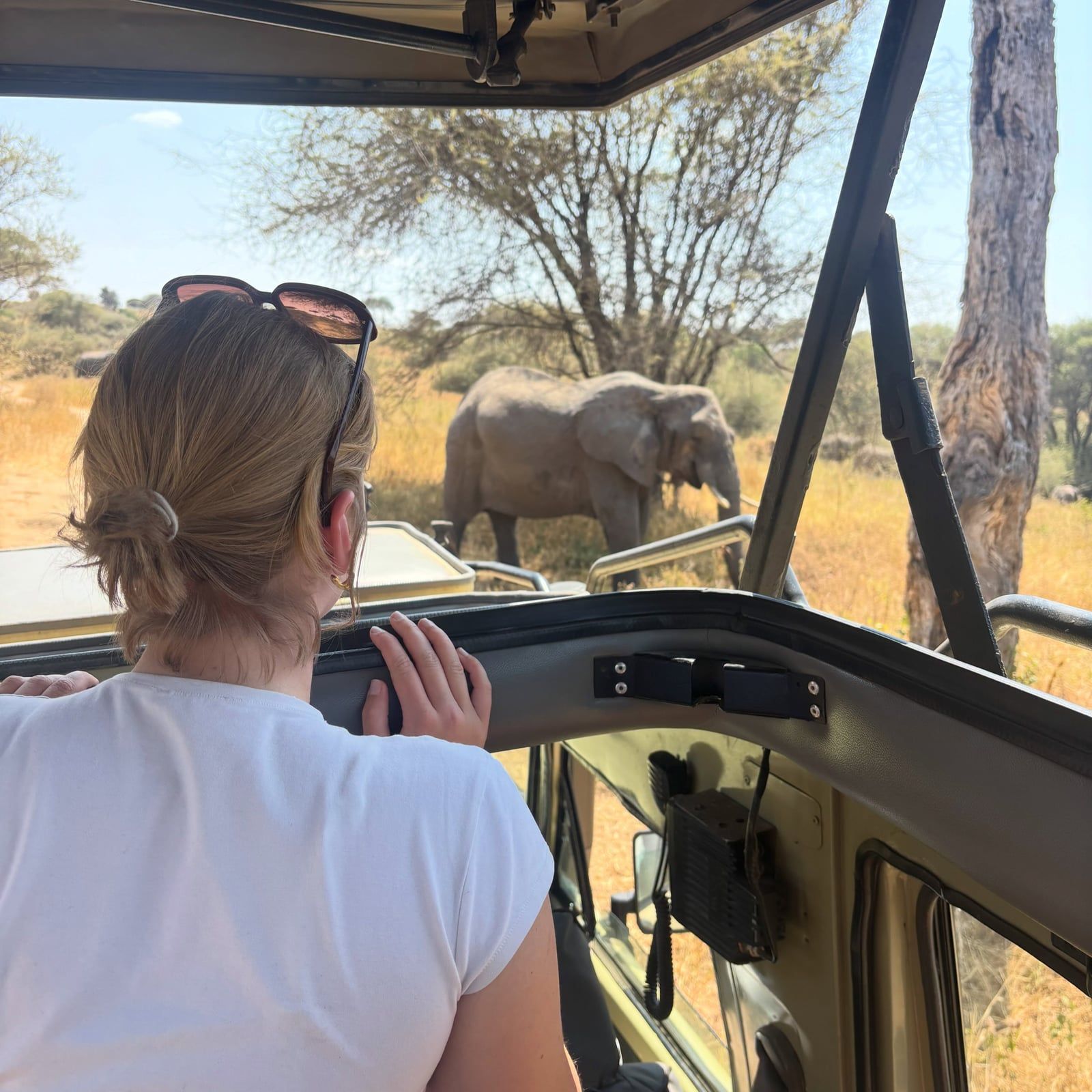
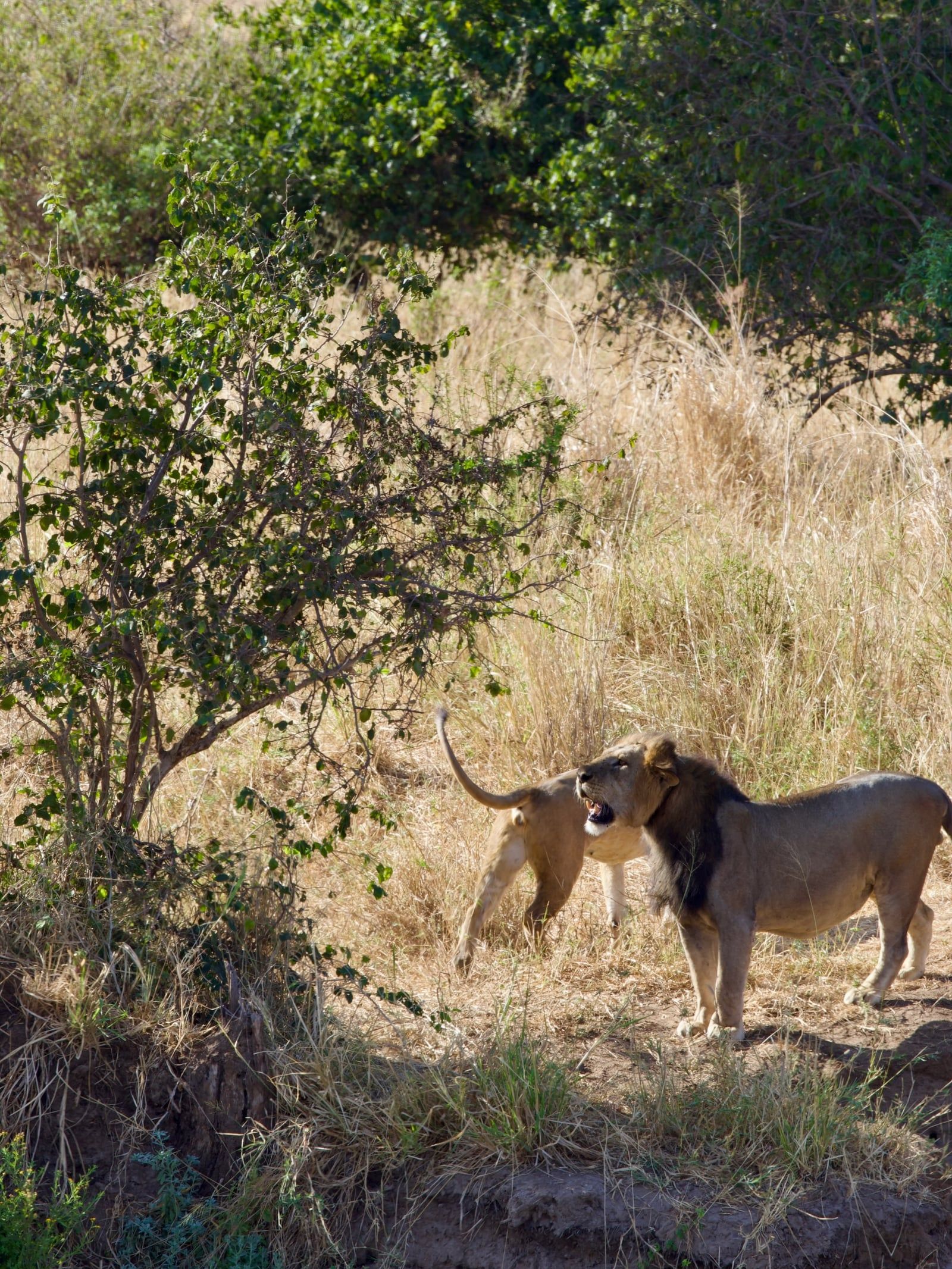
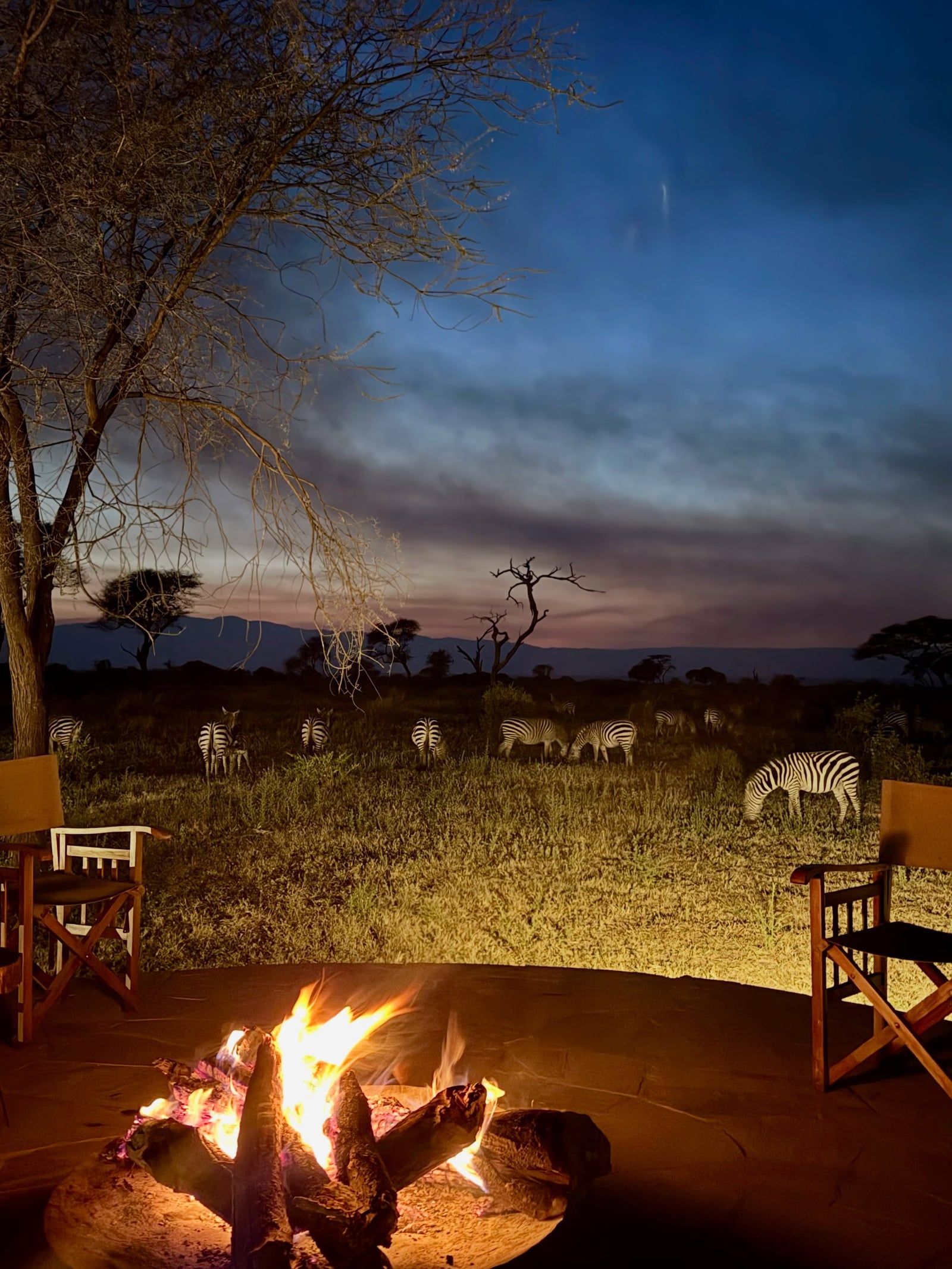
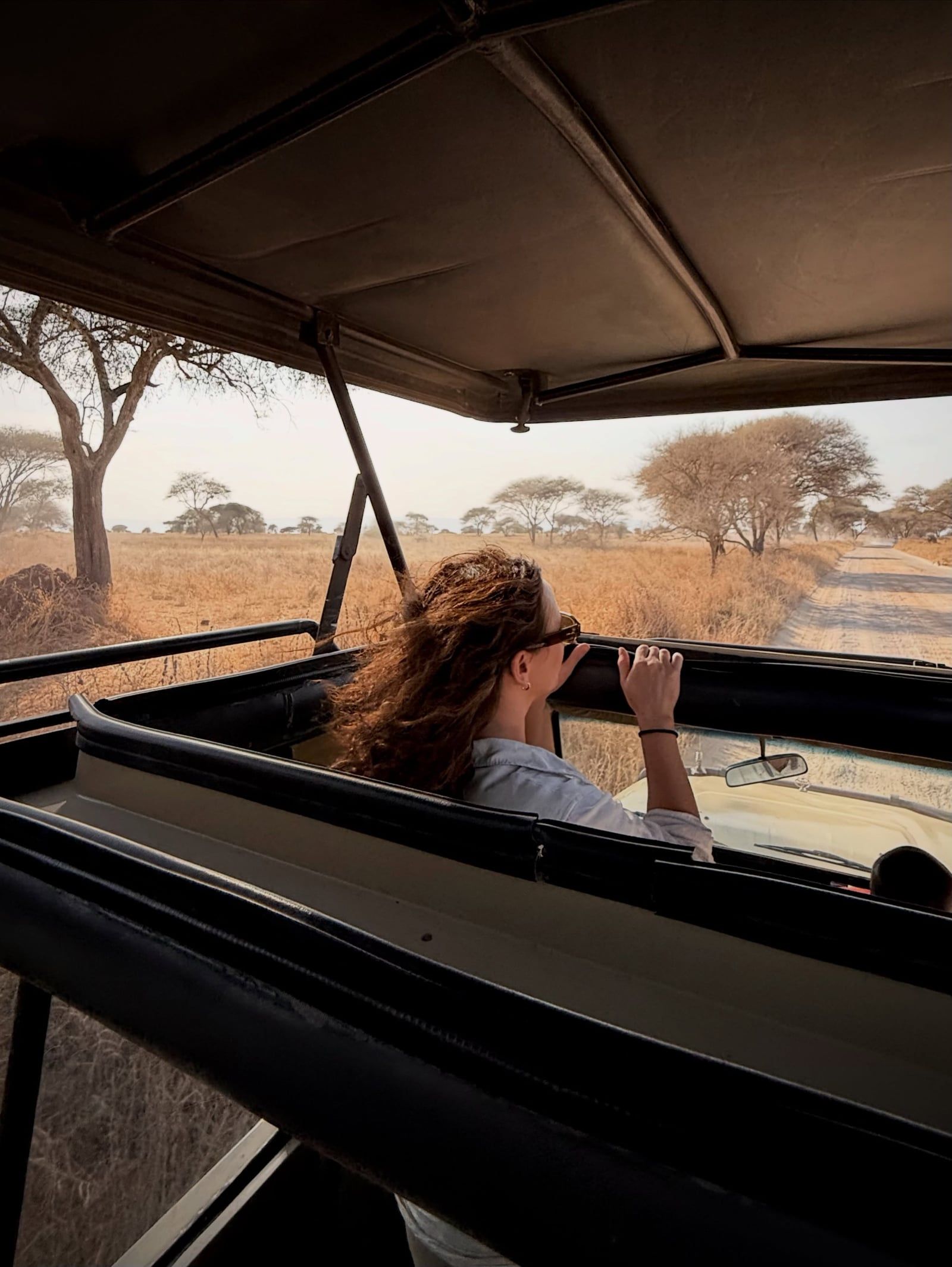
Most tours here run a northern-circuit loop: one full day in Tarangire watching elephant herds gather along the river, then two days on the Serengeti plains, then a descent into the Ngorongoro Crater before returning to Arusha. You'll travel in a 4WD Land Cruiser with a pop-up roof, and the day starts early — usually a 6:00 am gate opening — because that's when predators are still moving and the light is low and gold.
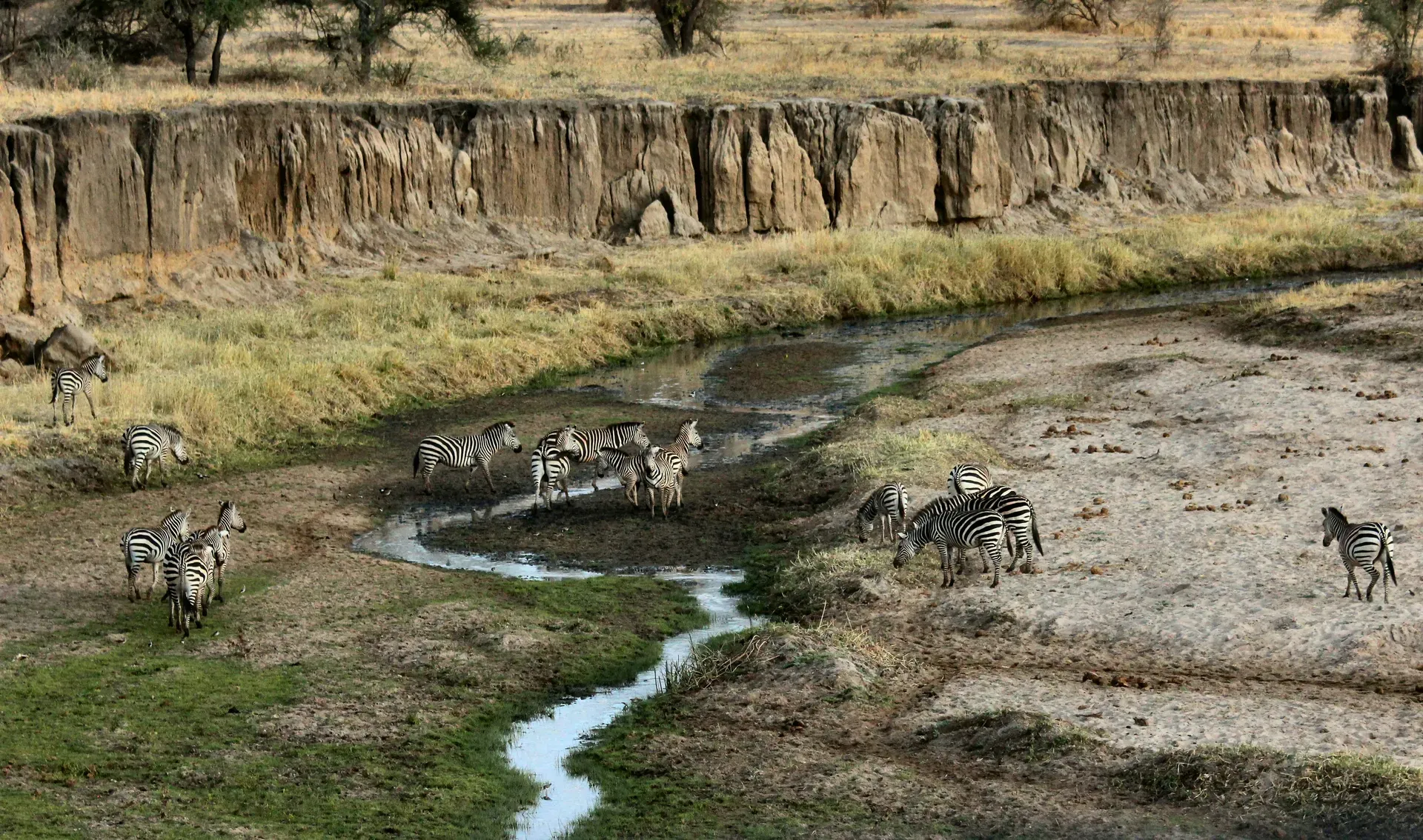
From June to October the Tarangire River is the only reliable water for miles, and breeding herds — sometimes 300 strong — line its banks. Watch bulls dig waterholes in the river sand with their feet and trunks. A 2000 census counted 2,385 elephants inside the park, and the population has grown since.
Tarangire's baobabs can live up to 3,000 years, with trunks over 100 ft around. Elephants strip their fibrous bark, leaving scored trunks you can read like a history book. They photograph best against the evening light along the main river track.
Most multi-day tours give the Serengeti two full days of game drives, with camping inside the park so you catch sunrise on the plains. Expect lion prides, cheetah, and the wildebeest and zebra that stay resident outside the Great Migration's river crossings.
The loop's finale is a full-day descent into the caldera, home to roughly 25,000 large animals including black rhino. Several tours list the crater as their best shot at completing the Big Five in one trip.
July to October, wildebeest and zebra funnel into the park from wet-season calving grounds outside, joining buffalo and elephant herds around Silale Swamp. Predators follow. It's one of East Africa's largest migrations and most visitors have never heard of it.
The Acacia woodland and swamp edges produce yellow-collared lovebirds, ashy starlings, rufous-tailed weavers, secretary birds and crowned cranes. Book a November–May green-season trip and migratory species add to the count.
Almost every tour on this page bundles three parks into one 4-6 day package, so what you're really choosing is group versus private, camping versus lodge, and how many days you can give it. Prices, inclusions, and cancellation terms vary a lot between them.
Two formats dominate: join-group camping safaris (4-5 days, US$890–1,120 per person, shared 4WD jeep with 2-by-2 window seating) and private tours (US$2,211–3,205, your own vehicle and guide, minimum two people). A 6-day option at US$1,600–2,560 mixes camping nights with lodge nights and adds Lake Manyara. Group tours run to a fixed itinerary; private ones let you set pacing and stops.
Peak season is July–October, when wildlife concentrates at the river and swamp — book group departures two to three months ahead for these months. August has the highest animal density and the most vehicles; June and late September give similar game with fewer crowds. Tours run daily year-round, so green-season dates are easier to grab late.
Check what's included — some tours list all park fees in the price, others leave them as an exclusion. Paying separately, Tarangire charges non-East-African adults US$50 plus 18% VAT per day (about US$59 at the gate); the Serengeti is US$70 plus VAT. Foreign-registered vehicles add US$40–150 per day, which a good operator should itemize in writing.
Lake Manyara sits 70 km from Tarangire via Makuyuni, and one 6-day tour includes it. Mto wa Mbu, a market town of 100+ ethnic groups on the route, offers cultural tours and banana beer — a common leg-stretch stop. Maasai village visits appear on several 5-day itineraries.
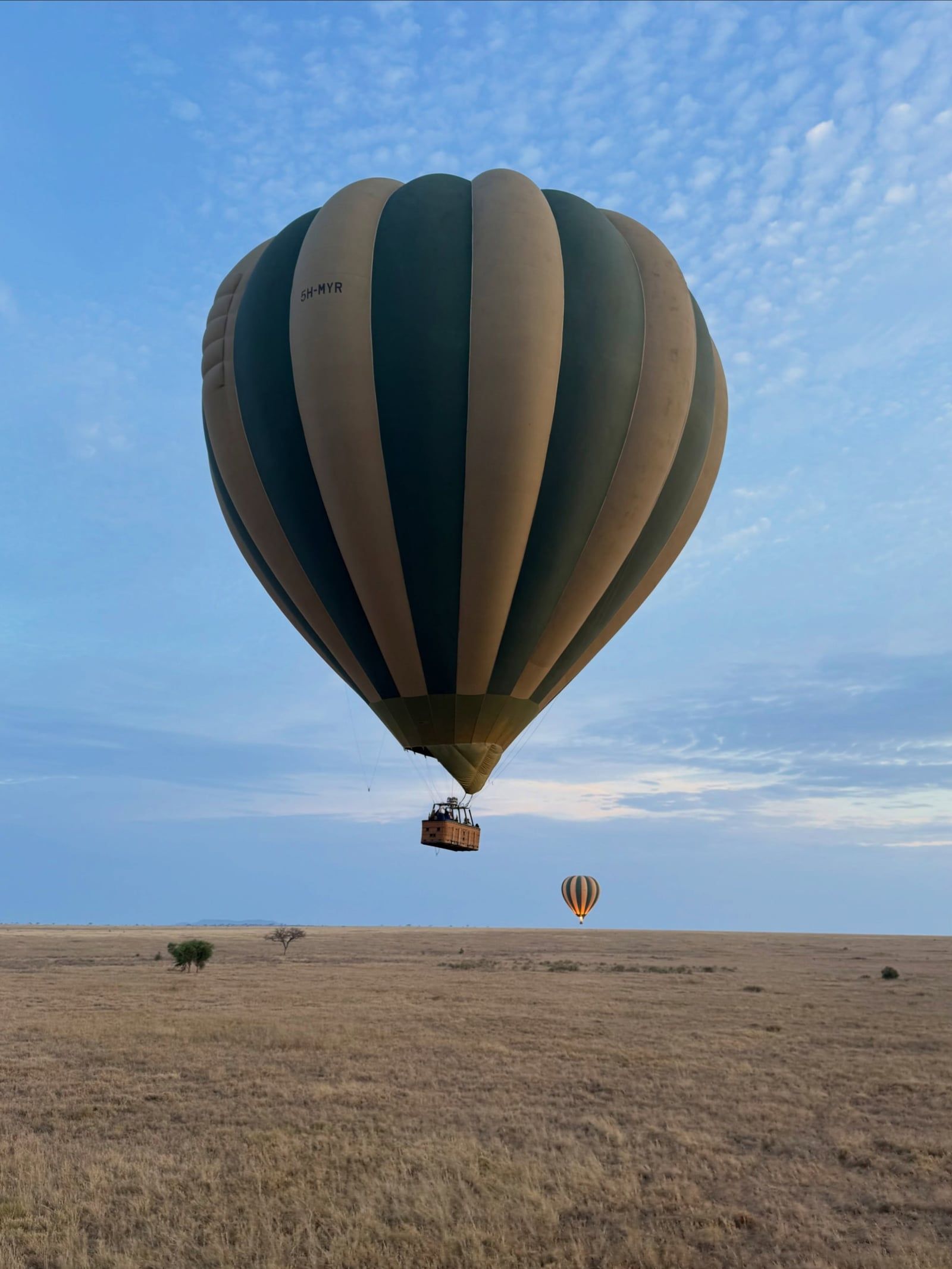
Tarangire is one of the few TANAPA parks running night drives (US$50 per adult, booked with park HQ) — leopards, genets, civets and hunting lions are regular finds. Walking safaris cost US$20 for 1–4 hours with an armed ranger. Sunrise balloon flights carry a US$40 park fee built into operator pricing. None of these come as standard on group tours, so ask.
Several group tours list wheelchair-accessible transport and surfaces, and Tarangire's game viewing is vehicle-based, so wheelchair users can see most wildlife without leaving the jeep. There are no adapted vehicles for hire at the gate, though, and step-free lodge rooms must be arranged in advance. Two tours flag that they're not recommended for travelers with spinal injuries.
Most group tours offer a full refund if you cancel at least 24 hours before departure. The private US$3,205 option is the exception — all sales are final, no refund. Confirm which policy applies before you pay, especially for the pricier private itineraries.
The park is a year-round malaria zone, higher risk during November–March rains, so talk to a travel doctor about prophylaxis before you go. Tsetse flies give painful daytime bites and are drawn to black and dark blue — pack khaki and long sleeves. Repellent only partly works on tsetse.
Swipe to see more
| Budget Group Camping Tour (4 days) | Group Camping Tour with Maasai Visit (5 days) | Private 4x4 Tour (4-5 days) | Extended Lodge & Camping Tour (6 days) | |
|---|---|---|---|---|
| Duration | 4 days (96h) | 5 days (120h) | 4-5 days (96-120h) | 6 days (144h) |
| Price from (per person) | US$890–1,120 | US$1,120–1,320 | US$2,211–3,205 | US$1,600–2,560 |
| Best for | First-time safari travelers watching their budget who still want all three parks | Travelers who want sunrise and sunset from inside the Serengeti plus a cultural stop | Couples and small groups who want to set their own pacing and stops | Travelers with more time who want four parks, including Lake Manyara, and a couple of nights in a real bed |
| Includes | Camping accommodation, all meals, drinking water (some add wine or beer), park entries on select tours, binoculars, Arusha hotel pickup | All meals, unlimited drinking water, free accommodation the nights before and after the safari, Wi-Fi in the jeep, Maasai village visit | Exclusive 4WD vehicle and driver-guide, full board, all park and crater fees, JRO airport transfers, post-safari Arusha hotel night | Camping plus two lodge nights, all meals, airport pickup and drop-off, professional English-speaking guide (German, Italian and French also offered on one operator) |
Swipe to see more
Gates are open daily from 6:00 am to 6:00 pm (a few sources, including Frommer's, state 6:30 am–6:30 pm). Vehicles may not drive inside the park after dark — the rule is enforced strictly, so time your exit or hold a sleep-over permit.
A day-trip permit is valid for 12 daylight hours and a sleep-over permit for 24 hours; both allow multiple gate entries within their validity. If you overnight outside the park, you pay entry again on each visit.
From Arusha, the main gate is 121 km away, entirely on tarmac via the Great North Road through Makuyuni — about 2 hours. From Kilimanjaro International Airport (JRO), figure roughly 160 km and 3 hours via Arusha. Nearly all visitors arrive on tour vehicles, which cover the US$40–150 foreign-vehicle fee and gate paperwork.
June to October is the long dry season and the best window. Wildlife concentrates at the Tarangire River and Silale Swamp, vegetation thins, mosquitoes drop, and skies stay clear. August has the highest animal density; June and late September–October offer similar game with fewer vehicles.
July–October brings the Tarangire migration, when wildebeest and zebra arrive from dispersal areas outside the park.
Avoid mid-March to May if game viewing is the priority: the long rains turn tracks to mud, some camps close, and much of the wildlife disperses to wet-season calving grounds. The trade-off is TANAPA's low-season entry rate (US$45+VAT from 15 March–15 May) and peak birding from November to May, when migratory species arrive.
Game viewing is almost entirely vehicle-based, so wheelchair users can see most wildlife without leaving the safari jeep — several tours on this page list wheelchair-accessible transport. There are no adapted vehicles for hire at the gate, so book an operator experienced in assisted transfers.
Terrain inside is unpaved dirt track, and gates, picnic sites and most lodges have uneven ground with few step-free rooms. Arrange accessible accommodation well in advance. Walking safaris and balloon flights are not wheelchair-accessible.
Older visitors manage fine — the standard day is sitting in a vehicle with a pop-up roof. The main challenges are the 2-hour drive from Arusha, bumpy tracks, 38°C midday heat in January–February, and 15°C dawn drives in July. Tarangire is a year-round malaria zone, so seniors should consult a travel doctor about prophylaxis.
Sleeping options span public campsites (US$30 per adult per night) to special and seasonal campsites (US$50 low season to US$60 peak, prior booking required) to private lodges — the latter adding a US$40 per adult per night concession fee under the 2023/24 tariff.
The speed limit inside the park is 50 km/h — overspeeding draws a TSh 50,000 fine, and vehicles causing an accident are fined TSh 200,000. Animals have right of way, and hooting or disturbing them is prohibited.
Drones are banned in all TANAPA parks without permits from both the aviation authority and the park; approvals take months, are rarely granted to tourists, and unauthorized flying risks confiscation, fines and expulsion. Commercial filming costs US$250 per person per day; private video shooting adds US$100 per group per day.
Group camping tours covering Tarangire, the Serengeti and Ngorongoro run US$890–1,320 per person for 4–5 days. Private tours with your own 4WD and guide cost US$2,211–3,205 for the same circuit, and 6-day trips including Lake Manyara fall between US$1,600 and US$2,560. Park entry (US$50+VAT per day for Tarangire, US$70+VAT for the Serengeti) is included in some packages but not all — check before you pay.
It depends on the tour. Several 4-day group options list all park entries and taxes in the price, while others carry vague exclusions — ask the operator in writing whether park fees, crater fees and the US$40–150 per-day vehicle fee are covered. Paying at the gate yourself, budget roughly US$59 per adult per day for Tarangire and about US$83 for the Serengeti once VAT is added.
One full day covers Tarangire's river circuit, and two days on the Serengeti is the standard allocation — that's why most tours here run 4–5 days with Ngorongoro Crater added on. If you only have a week total, spend 1–2 nights in Tarangire and 2–3 in the Serengeti. A 6-day tour adds Lake Manyara or slows the pace.
Group tours (US$890–1,320) put you in a shared 4WD jeep, usually with 2-by-2 seating so everyone gets a window, and follow a fixed itinerary with camping accommodation. Private tours (US$2,211–3,205) give you exclusive use of the vehicle and an English-speaking driver-guide, so you set the stops and pacing, with full-board lodge or tented accommodation. Both use 4WD Land Cruisers with pop-up roofs.
Most tours on offer give a full refund if you cancel at least 24 hours before departure. The private US$3,205 package is the exception — all sales are final with no refund available. Confirm the policy on your specific booking, and be aware TANAPA park fees themselves are non-refundable once paid.
Book July to October. Wildlife concentrates at the Tarangire River and Silale Swamp when water is scarce elsewhere, wildebeest and zebra arrive on the Tarangire migration, and the Serengeti is in peak season. August has the highest density but the most vehicles; June and late September offer similar sightings with fewer crowds. Avoid mid-March to May, when rains disperse the game and muddy the tracks.
Yes — several tours list specialized infant seats and wheelchair-accessible transport, and children under 5 enter Tarangire free while ages 5–15 pay the reduced rate. The daily routine is sitting in a safari vehicle, so it suits most fitness and mobility levels; two tours only flag that they're not recommended for travelers with spinal injuries. Children must be 12+ for walking safaris, and elephants wander through lodge grounds, so supervise kids at all times.
Tours start and end in Arusha, with pickup from your hotel included on most options. One private tour adds return transfers to Kilimanjaro International Airport and a post-safari Arusha hotel night in the price; others can arrange airport pickup for an extra cost. Tell the operator where you're staying when you book — some note that hotel pickups outside Arusha town may incur a charge.
Tarangire delivers dense elephant herds — sometimes 300 strong along the river in dry season — plus baobabs up to 3,000 years old and 550+ bird species, with far fewer vehicles than its famous neighbor. The Serengeti gives you the scale, lion prides and the migration spectacle year-round. Ngorongoro Crater, usually included on the same loop, is the best bet for black rhino, roughly 25,000 large animals live on its floor.
Tarangire is a year-round malaria zone with higher risk from November to March, so start prophylaxis before you travel and use DEET and bed nets. Tsetse flies are a daytime nuisance in the woodland stretches with genuinely painful bites — they're drawn to black and dark blue, so wear khaki or olive, tuck trousers into socks, and know that repellent only partly works on them.
Browse verified tours with free cancellation and instant confirmation.
Find Tours


This 5-day camping safari splits its time across three parks: a full day in Tarangire, two days in the Serengeti, and a full-day crater tour in Ngorongoro, with a Maasai village visit along the way. Because you camp inside the Serengeti and near Ngorongoro, you'll catch sunrise and sunset from inside the parks rather than rushing back to a lodge outside the gates. Timing matters if the migration is your goal — the wildebeest move in a fairly predictable annual cycle with zebra and gazelle, so check where the herds are for your travel month before booking. Meals are covered: breakfast, lunch, and dinner each day, plus unlimited drinking water. All park fees and taxes are included, and you get two free nights of accommodation — the night before and the night after the safari. The jeep has onboard Wi-Fi, though don't expect it to hold up deep in the Serengeti. Pickup is easy to spot: your driver wears a Meru Slope shirt with a chest logo and a sign printed with your name. Guides speak English. Cancel at least 24 hours before departure for a full refund. What's not included isn't itemized in the listing, so ask the operator directly about tips, drinks beyond water, and any visa or insurance costs before you pay.
For a full refund, cancel at least 24 hours before the scheduled departure time.
English


This 4-day join-group safari spends one full day in Tarangire National Park, nearly two days in the Serengeti, and one full day on the Ngorongoro Crater floor. Day one is a full-day game drive in Tarangire with picnic lunch, overnight at Sun Bright campsite. Day two crosses the fertile Iraqw highlands — wheat, coffee and corn country — through the Ngorongoro Conservation Area toward the Serengeti, where an evening game drive in the central Seronera area ends with sunset, dinner and overnight at Seronera campsite inside the park. Day three starts with an early coffee and a morning game drive in the Serengeti, a good window for the Big Five (lion, elephant, buffalo, rhino, leopard), before driving on to Ngorongoro. Day four begins at sunrise over the crater rim, then descends to the crater floor for a full game drive before the return to Arusha. Guide language is English only. Included: 4 nights' accommodation, professional guide, all taxes and fees, airport and departure taxes, and free Wi-Fi inside the safari jeep for the entire trip. Not included: gratuities and other personal expenses. Pickup is from your arrival point — staff wear a Meru Slopes shirt with a chest logo and carry a sign printed with your name. Cancel at least 24 hours before departure for a full refund.
For a full refund, cancel at least 24 hours before the scheduled departure time.
English


A five-day private itinerary (120 hours) that strings together Tarangire, the Serengeti plains and the Ngorongoro Crater, traveling in your own 4WD safari vehicle with an English-speaking driver guide. Because the vehicle is exclusive to your group, game-drive stops and pacing are yours to set. Full board is covered while on safari — breakfast, lunch and dinner — plus all park and crater fees, the game drives in the itinerary, airport transfers to and from Kilimanjaro International (JRO), and a night of post-safari accommodation in Arusha. Prices assume 2–3 people sharing a room or tent. Pickup works from hotels, restaurants, the airport or anywhere else you arrange in advance. Note the booking terms: all sales are final, with no refund for cancellations.
All sales are final. No refund is available for cancellations.
English


This 5-day camping safari runs from Arusha through Tarangire National Park and the Serengeti before ending with a descent into the Ngorongoro Crater, returning to Arusha on day 5. Day 1 is Tarangire; days 2 and 3 are spent in the Serengeti, with the middle day given fully to game drives there; day 4 crosses to the crater and day 5 finishes inside it before the drive back. It's a group-joining trip, so you share the vehicle with other travelers. Transport is a 4WD Land Cruiser with a pop-up roof for game viewing, and an English-speaking guide drives and leads throughout. Camping accommodation as per the itinerary is included, along with all three meals daily plus tea, coffee, and bottled water. Sleeping gear isn't listed among the inclusions, so confirm what's provided before you pack. Hotel pickup in Arusha is available on request — tell the operator where you're staying, as it may add cost. Cancel at least 24 hours before departure for a full refund.
For a full refund, cancel at least 24 hours before the scheduled departure time.
English


Five days, three parks: Tarangire, the Serengeti, and Ngorongoro Crater. It's a private safari, minimum two people per booking, run daily year-round. You travel in a 4x4 safari vehicle with an English-speaking driver-guide, and pickup from your hotel in Arusha town is free. Accommodation is a mix of lodges and tented camps, all in self-contained rooms with hot showers. Breakfast, lunch, and dinner are included for the full five days, with both vegetarian and non-vegetarian meals catered. Each person gets 1.5 liters of drinking water per day. Park fees and other extras aren't covered — the listed inclusions are transport, guide, accommodation, meals, and water. Cancel at least 24 hours before departure for a full refund.
For a full refund, cancel at least 24 hours before the scheduled departure time.
English


This 4-day itinerary starts and ends in Arusha and links three parks in one loop: Tarangire, the Serengeti, and the Ngorongoro Crater. It's built for travelers with limited time in Tanzania who still want a shot at the Big 5 — Kilipath African Safaris prices it as one of their budget-friendly short northern-circuit options. All meals are covered: breakfast, lunch, and dinner each day, plus taxes. Park fees and drinks are listed as not included, so budget for those separately. Guide languages aren't specified in the listing — confirm directly with the operator before booking if that matters to you. You can cancel for a full refund up to 24 hours before departure. Inside that window, no refund.
For a full refund, cancel at least 24 hours before the scheduled departure time.


Six days and five nights with an English-speaking professional guide, moving from Tarangire to Serengeti and on to Ngorogoro Crater. Early-morning game drives are the core of each day, timed for sunrise and the hours when predators are most active. Game driving continues through the day, with the pace set by what's moving nearby. All meals are covered — breakfast, lunch and dinner every day of the trip. Airport pickup and drop-off are included, so you arrive and depart without arranging separate transfers. All the game-viewing activities listed in the itinerary are part of the package too. Cancel at least 24 hours before departure for a full refund. Anything beyond the stated inclusions costs extra.
For a full refund, cancel at least 24 hours before the scheduled departure time.
English


Four days, three parks, one shared 4WD jeep: Tarangire, Serengeti, then Ngorongoro. You travel as a joined group in a 2-by-2 seating arrangement, so everyone gets a window seat. The route is built around the Big Five — elephants, lions, buffalo, leopards, rhino — plus zebra, gazelle, wildebeest, baboons, reptiles, endangered wildcats and a long list of bird species. Timing matters here: depending on the season, you can watch the migration crossing from the Serengeti toward the Masai Mara, with crocodiles waiting in the Grumeti and Mara rivers. You camp. Three nights, all equipment included — tents, sleeping bags, bath towels — plus drinking water and wine, and full meals (breakfast, lunch, dinner). Game drives and any walking safari listed in the itinerary are covered too. Your driver-guide speaks English, French or Spanish. Pickup is from any hotel in Arusha town. Cancel at least 24 hours before departure for a full refund.
For a full refund, cancel at least 24 hours before the scheduled departure time.
English, French, Spanish


Four days, three parks: Tarangire, the Serengeti, and the Ngorongoro Crater, where black rhinos are the main draw. The tour starts and ends in Arusha, and pickup is from your hotel — the operator collects all travelers wherever they're staying in the city. You travel as a group in a safari jeep with a pop-up roof and a window seat for everyone. Meals are fully covered: breakfast, lunch, and dinner each day, plus drinking water and, unusually for budget safaris, beer or wine. Binoculars are provided too, so you can leave yours at home. Guiding is in English only. Cancel at least 24 hours before departure for a full refund — with a safari this short, that window closes fast, so decide early.
For a full refund, cancel at least 24 hours before the scheduled departure time.
English


Six days, four parks: Tarangire, Lake Manyara, Serengeti and Ngorongoro Crater, all in northern Tanzania. The trip mixes lodging styles — camping on some nights and a lodge for two — so you get both the budget campsite experience and a couple of nights with a proper bed. The operator describes it as a low-cost, fixed-price option for the northern circuit. Meals are covered in full: breakfast, lunch and dinner each day, plus drinking water, a pair of binoculars and wine or beer. That's unusual on budget safaris, where drinks and equipment often cost extra. Pickup is from your hotel, whatever the starting point. Guides work in English, German, Italian and French. Cancel at least 24 hours before departure for a full refund.
For a full refund, cancel at least 24 hours before the scheduled departure time.
German, English, Italian, French